Find Pickleball Courts Near You: Complete Location Guide
Finding pickleball courts near you starts with three main tools: USA Pickleball's Places 2 Play directory, Pickleheads.com for community reviews, and Google Maps for quick local searches. Most communities offer free public park courts, climate-controlled recreation centers, or private clubs depending on your budget and preferences. You'll want to consider surface type (cushioned courts are easier on joints), accessibility features like nearby parking and benches, and whether the facility offers drop-in play times that fit your schedule.
Understanding the Different Types of Pickleball Courts Available
Public parks, recreation centers, private clubs, multi-sport facilities, and dedicated pickleball complexes each serve different needs. Your choice depends on how often you'll play, your budget, and what amenities matter most to you.
Well, honestly, the variety can feel overwhelming at first. But once you understand what each type offers, the decision becomes straightforward.
Public Park Courts: Free and Community-Focused
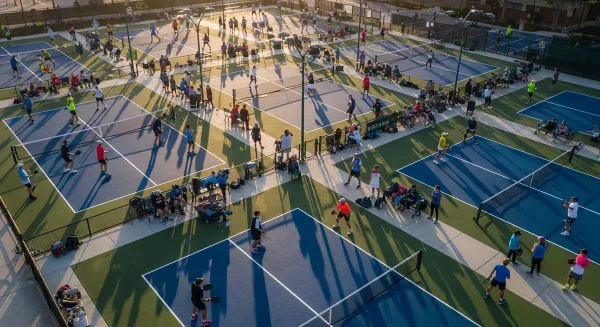
Public park courts cost nothing to use and welcome players of all skill levels. Parks departments across the country are converting underutilized tennis courts to pickleball to meet growing demand (National Recreation and Parks Association).
These courts typically operate on a first-come, first-served basis. You'll find the most open court availability on weekday mornings between 8 and 11 AM, when working-age players are at their jobs. Weekends get crowded by 9 AM in most communities.
Most public courts provide basic nets and painted lines. Don't expect shade structures, water fountains, or dedicated restrooms at every location. Some parks offer all these amenities, others provide just the court itself.
The social atmosphere at public courts varies wildly. Some parks attract serious players who rotate through games quickly, while others host casual groups that chat between every point. Visit at different times to find your preferred vibe.
Recreation Centers and YMCAs: Indoor Options with Amenities
Recreation centers solve the weather problem. You'll play in climate-controlled comfort regardless of rain, heat, or cold outside, which matters more as we age since older adults face higher risk of heat-related illness during outdoor activities (National Institute on Aging).
Membership costs range from $30 to $80 monthly depending on your location and whether you qualify for senior discounts. Most facilities include restrooms, water fountains, seating areas, and parking within steps of the courts.
Indoor courts typically feature cushioned sport surfaces that reduce impact on knees and hips. The trade-off? You're playing on a reservation schedule, not dropping in whenever the mood strikes. Many centers also host instructional clinics and organized leagues that help newcomers learn proper technique.
YMCAs often bundle pickleball access with fitness centers, pools, and group exercise classes. If you'll use those extras, the membership pays for itself quickly.
Private Clubs and Dedicated Pickleball Facilities
Private clubs charge $100 to $300 monthly but deliver premium experiences. You'll find pristine court surfaces, professional lighting, on-site pro shops, and organized social events. Many clubs employ teaching pros who offer lessons and clinics.
The investment makes sense if you're playing three or more times weekly and value consistent court access. Private facilities rarely have wait times, even during peak hours. You're also joining a community, not just renting court space.
Dedicated pickleball complexes (facilities built specifically for the sport rather than converted tennis courts) offer the best court dimensions and playing conditions. The nets stay at proper tension, the surfaces remain crack-free, and the surrounding space meets official specifications.
To be fair, most recreational players don't need this level of facility. But competitive players and those seeking intensive instruction find the environment worth every penny.
How to Use Online Court Finders and Mobile Apps Effectively
Online court finders save you hours of phone calls and dead-end drives. Three platforms dominate the space, each with different strengths.
Pickleheads: The Most Comprehensive Court Database
Pickleheads.com functions like Yelp for pickleball courts. The platform lists over 40,000 locations with user-submitted photos, reviews, and real-time updates about court conditions.
Start by entering your zip code or city name in the search bar. Filter results by indoor versus outdoor, number of courts, and whether facilities offer lights for evening play. The map view shows clusters of courts in your area, making it easy to spot options you didn't know existed.
User reviews tell you what the official listings won't. Players report on actual court conditions, whether posted hours are accurate, and how welcoming the regular groups are to newcomers. Look for reviews posted within the past three months since conditions change.
The platform also lists drop-in games and local groups seeking players. You can join these groups directly through the site, which beats showing up alone and hoping to find a game. Many groups organize by skill level, so you're not thrown into advanced play on your first day.
Download the mobile app before visiting new courts. You can save favorites, get directions, and check recent reviews while standing in the parking lot deciding whether to stay or try another location.
USA Pickleball Places2Play: Official Directory
Places 2 Play is USA Pickleball's official court finder tool maintained by the sport's national governing body (USA Pickleball). The database emphasizes registered facilities that meet certain standards.
Search by city, state, or zip code. The results show court addresses, contact information, and whether facilities are indoor or outdoor. Many listings include links to facility websites and reservation systems.
The directory also identifies USA Pickleball Ambassadors in your area. These volunteers help newcomers learn the game and connect with local playing communities. If you're starting from scratch, contacting an ambassador provides a warm introduction to the sport.
Here's the thing: Places 2 Play updates less frequently than Pickleheads. Some listings show courts that closed months ago or miss newly opened facilities. Use it as a starting point, then verify details through other sources before traveling.
Tips for Reading Court Reviews and Verifying Information
Reviews reveal patterns that single visits miss. Three complaints about cracked surfaces probably mean the courts need resurfacing. One negative review about an unfriendly group might just reflect a bad day.
Red flags include multiple recent reviews mentioning safety issues, consistent reports of locked gates during posted open hours, or warnings about aggressive players dominating courts. Trust patterns over individual opinions.
Always call ahead before visiting a new facility for the first time. Confirm the courts are open, ask whether you need to bring your own paddle and balls, and verify that drop-in play is welcome. Online information lags behind real-world changes, sometimes by months. I almost drove 40 minutes to what looked like the perfect facility based on one glowing five-star review, but something made me scroll further. Seven people in the past month had mentioned the nets being torn and the surface having dangerous cracks near the baseline. I'm glad I kept reading—I visited a closer court instead and later heard from a friend that someone had twisted their ankle at that first location just days after I'd planned to go.
Traditional Search Methods: Google Maps, Local Parks Departments, and Word of Mouth
Specialized apps help, but familiar tools often work just as well. Sometimes the old ways deliver faster results.
Using Google Maps and Search to Locate Nearby Courts
Type "pickleball courts near me" into Google Maps. The results show pins for nearby facilities with ratings, photos, and business hours. Click each pin to read reviews and see user-submitted pictures of actual court conditions.
Try variations like "outdoor pickleball courts," "indoor pickleball," or "pickleball clubs" to surface different facility types. Google's algorithm pulls from multiple databases, sometimes finding courts that specialized directories miss.
Photos tell you more than descriptions. Look for images showing court surfaces, parking areas, and surrounding amenities. If every photo shows empty courts, that might signal limited popularity or poor conditions. Courts with multiple recent photos usually indicate active playing communities.
Google reviews skew toward extremes, people post after great experiences or terrible ones. Read the three-star reviews for balanced perspectives. These middle-ground opinions usually come from regular players who know the facility well.
Call the phone number listed on Google Maps to verify hours and ask about current court conditions. Many facilities update their Google Business profiles sporadically, but they answer phones consistently.
Contacting Your Local Parks and Recreation Department
Your city or county parks department maintains a website listing all recreational facilities. Search for "pickleball" on the site or call the main office directly. Ask specifically about court locations, open play times, and whether any organized programs exist for beginners or seniors.
Request to be added to the department's mailing list or email newsletter. Parks departments announce new courts, seasonal programs, and special events through these channels weeks before information appears online. Many offer age-specific programs that never get advertised beyond their subscriber lists.
Ask about seasonal schedules. Some outdoor courts close during winter months in northern climates, while others relocate programs to indoor facilities. Knowing the annual pattern helps you plan consistent play throughout the year.
Networking Through Senior Centers and Community Groups
Senior centers often host pickleball groups or know where local players gather. Stop by your nearest center and ask at the front desk. Many centers organize weekly games at nearby courts or maintain lists of age-appropriate playing opportunities.
Community centers and retirement communities have embraced pickleball enthusiastically (AARP). These venues typically offer beginner sessions designed for older adults who are learning the sport. The pace is slower, the instruction is patient, and nobody judges your athletic ability.
Word of mouth remains powerful in the pickleball community. Once you meet a few regular players, they'll tell you about courts, groups, and playing opportunities that never appear in official directories. The sport attracts social people who enjoy connecting newcomers with resources.
Evaluating Court Quality: Surface Types, Nets, and Safety Features
Not all courts are created equal. The surface you play on affects your joints, your game, and your injury risk.
Understanding Court Surface Materials and Joint Impact
Asphalt and concrete dominate outdoor court construction because they're inexpensive and durable. These hard surfaces transmit impact directly to your knees, hips, and ankles. If you're playing multiple times weekly, that repetitive stress adds up.
Cushioned acrylic surfaces add a thin layer of shock-absorbing material over the base. This reduces impact by 15 to 20 percent compared to bare concrete. The difference feels subtle during one game but significant over months of regular play.
Indoor sport court surfaces (the interlocking tiles or rolled rubber you find in gyms) offer the most joint protection. Activities that are easier on your joints make better choices for older adults (National Institute on Aging). These surfaces cost more to install but deliver measurably less impact stress.
Look for courts with consistent coloring and smooth texture. Faded paint and rough patches indicate aging surfaces that need resurfacing. Cracks wider than a quarter-inch create tripping hazards, especially for players with balance concerns.
Texture matters too. Courts need enough grip to prevent slipping but not so much that your shoes catch during quick direction changes. Run your hand across the surface if you're evaluating a new court, it should feel uniformly textured without rough spots or slick areas.
Safety Checklist: What to Look for Before Playing
Proper fencing prevents balls from rolling into parking lots or adjacent courts. Fencing should stand at least four feet high on all sides. Missing or damaged fence sections create constant interruptions as you chase errant balls.
Check for adequate runoff space beyond the court boundaries. You need at least ten feet of clear area behind baselines to stop safely after running down a deep shot. Courts squeezed into tight spaces increase collision risk with fences or walls.
Lighting quality determines whether evening play is safe or hazardous. Good court lighting eliminates shadows and provides uniform brightness across the entire playing surface. If you can't clearly see the ball against the court surface, the lighting is inadequate.
Look for benches or seating within twenty feet of the courts. You'll need rest breaks between games, and standing for extended periods becomes uncomfortable. Shade structures matter for outdoor courts in warm climates, since older adults face higher risk of heat-related problems.
Water fountain access should be within a short walk. Staying hydrated matters more as we age, and running back to your car for water disrupts play. Many modern facilities also provide hand sanitizer stations and ball cleaning areas.
Accessibility Features for Players with Mobility Concerns
ADA-compliant facilities provide level entry from parking areas to courts without stairs or steep ramps. The path should be smooth, well-maintained, and wide enough for mobility aids.
Parking proximity matters more than you might think. Walking a quarter-mile from your car to the courts feels manageable once, but it becomes a barrier if you're playing three times weekly. Look for facilities with dedicated parking within 100 feet of the courts.
Restroom access should be nearby and accessible. Older adults often need more frequent bathroom breaks, and having facilities within easy reach makes extended play sessions comfortable. Portable toilets don't count as adequate restroom access.
Understanding Court Reservation Systems and Open Play Times
Getting court time requires understanding how different facilities manage access. The systems vary widely.
How Court Reservation Systems Work
CourtReserve and similar platforms let you book courts through websites or mobile apps. Create an account using your email, add a payment method if required, then browse available time slots. Most systems show a calendar view where green slots are available and gray slots are booked.
Reservation windows typically open one to two weeks in advance. Popular time slots fill within hours of opening, so set a reminder to book as soon as the window opens. Some facilities limit how many advance reservations you can hold simultaneously to prevent hoarding.
Phone reservation systems still exist at many public facilities. Call the posted number, provide your name and contact information, then request your preferred date and time. The staff member will confirm availability and may require a credit card to hold the reservation.
First-come, first-served courts operate without reservations. You show up, check if courts are available, and claim an open one. During busy times, you might wait for the next available court. Some facilities use sign-up sheets where you add your name to a queue.
Open Play vs Reserved Time: Understanding the Difference
Open play means courts are available to anyone during specified hours without reservations. You'll typically find open play weekday mornings and early afternoons when demand is lower. Players rotate through games using various formats.
Reserved time blocks the court for specific players who booked in advance. Nobody else can use that court during your reservation window, even if you arrive late or leave early. Reserved time works best for organized groups or players who need guaranteed court access.
Drop-in sessions are organized open play times where a staff member or volunteer manages court rotation and game formation. These sessions welcome individual players who don't have a full group. You'll be matched with other players at similar skill levels.
Many facilities mix these approaches. They might offer open play mornings, reserved time afternoons, and drop-in sessions evenings. Check the schedule carefully to understand which system applies when you want to play.
Strategies for Getting Court Time During Peak Hours
Peak hours (typically 5-8 PM weekdays and 8 AM-2 PM weekends) require planning. Book reservations the moment the window opens, or arrive 30 minutes before you want to play to claim open courts.
Weekday mornings between 8 and 11 AM offer the best availability at most facilities. Retired players dominate these time slots, and the pace tends to be more social than competitive. You'll also find more players in your age group during these hours. According to the Sports & Fitness Industry Association, pickleball participation increased by 158.6% over three years, making it the fastest-growing sport in America
Consider joining a regular group that holds standing reservations. Many facilities allow groups to book recurring weekly time slots. Once you're part of the group, you have guaranteed court access without competing for reservations.
Finding the Right Court Community: Skill Levels and Social Atmosphere
The people you play with matter as much as the courts themselves. Finding your tribe takes some exploration.
Identifying Beginner-Friendly vs Competitive Environments
Beginner-friendly courts welcome new players with patience and encouragement. You'll notice experienced players offering tips, games pausing for quick instruction, and nobody keeping serious score. These environments prioritize fun and learning over winning.
Competitive environments attract serious players who focus on skill development and winning. Games move quickly, players call lines strictly, and the overall intensity runs higher. Nothing wrong with this atmosphere, but it can intimidate newcomers.
Watch a few games before joining. Notice whether players laugh off mistakes or get frustrated. Listen to how they talk between points, supportive banter signals a welcoming group, while silent intensity suggests competitive focus.
Ask facility staff or regular players about skill level distribution. Some courts attract predominantly advanced players, while others serve recreational players. Matching your skill level to the typical court population makes play more enjoyable.
Age-Appropriate Playing Groups and Senior Programs
Age-specific groups create comfortable social environments where everyone shares similar physical capabilities and life experiences. You're not the slowest player on the court when everyone is in their sixties or seventies.
Senior programs typically run weekday mornings and focus on social play rather than intense competition. The pace allows for conversation between points, and nobody rushes you off the court after exactly one hour.
Look for "50+," "55+," or "senior" designations in program listings. These groups often include instruction components where volunteers or teaching pros offer tips during play. The learning environment feels supportive rather than judgmental.
How to Introduce Yourself and Join Existing Groups
Arrive early and watch from the sidelines for a few minutes. When players finish a game, approach and introduce yourself. Most pickleball players are remarkably welcoming to newcomers, it's part of the sport's culture.
Be honest about your skill level. Saying "I'm pretty new to this" helps experienced players adjust their expectations and offer appropriate guidance. Pretending you're better than you are creates awkward situations.
Bring your own paddle and balls initially. While many players share equipment, having your own shows you're serious about participating. You can borrow equipment once you've established relationships with the group.
Indoor vs Outdoor Courts: Choosing What's Right for Your Needs
Location matters less than you think. The indoor-outdoor decision affects your playing experience more than which side of town you choose.
Weather Considerations and Year-Round Play Options
Outdoor courts deliver beautiful playing experiences during mild weather. You'll enjoy fresh air, natural light, and vitamin D from sun exposure. Spring and fall are perfect outdoor seasons in most climates.
Summer heat creates real challenges for older players. Temperatures above 85 degrees increase heat stress risk, especially during midday hours. Older adults are at higher risk of heat-related illnesses during hot weather (National Institute on Aging). Early morning or evening play becomes essential in warm climates.
Winter weather shuts down outdoor courts in northern regions. Snow, ice, and freezing temperatures make outdoor play impossible for months. Players in these areas need indoor alternatives to maintain year-round activity.
Rain cancellations disrupt outdoor play schedules. You might drive to the courts only to find them wet and unplayable. Indoor facilities eliminate this frustration entirely, you'll play regardless of weather conditions.
Lighting, Ventilation, and Comfort Factors
Indoor courts provide consistent lighting that doesn't change with sun position or cloud cover. You'll track the ball easily regardless of time of day. Outdoor courts need excellent lighting systems for evening play, and many don't have them.
Ventilation quality varies dramatically among indoor facilities. Well-designed spaces use fans and air circulation systems to prevent stuffiness. Poor ventilation makes indoor play uncomfortable, especially during intense games.
Temperature control represents indoor courts' biggest advantage. Climate-controlled facilities maintain comfortable temperatures year-round. You're not sweating through your shirt in July or wearing three layers in January.
Look, the choice often comes down to what's available and convenient. If you have access to both, try each and notice how your body responds. Some players find outdoor courts more enjoyable despite the weather variables, while others prefer indoor consistency.
What to Expect on Your First Visit: Etiquette and Unwritten Rules
Pickleball has a friendly culture, but every sport has unwritten rules that newcomers need to learn.
Court Rotation Systems and Waiting Your Turn
Most public courts use rotation systems to ensure everyone gets playing time. The most common format: winners stay on the court, losers rotate off and new players rotate in. You'll typically play one game (to 11 points), then either stay or rotate based on the outcome.
Paddle stacking indicates you're waiting to play. Place your paddle in the designated rack or against the fence in the order you arrived. When it's your turn, grab your paddle and enter the court. Never skip ahead in the rotation, even if the players ahead of you are taking a break.
Ask before joining if you're unsure about the rotation system. Regular players at that court will explain their specific approach. Systems vary by location and time of day.
Basic Court Etiquette That Newcomers Should Know
Call the score before every serve. The server announces all three numbers (serving team's score, receiving team's score, server number). This prevents confusion and gives everyone a moment to prepare.
Retrieve balls promptly when they enter your court from adjacent courts. Roll them back gently between points. Never hit balls back with your paddle, that's considered rude and potentially dangerous.
Wait for breaks in play before crossing behind active courts. Walking behind players during a point distracts them and risks getting hit by a ball. Make eye contact and wait for acknowledgment before crossing.
Compliment good shots from opponents. Pickleball culture emphasizes sportsmanship and mutual respect. A simple "nice shot" or "good get" after impressive plays is expected and appreciated.
What to Bring and What's Typically Provided
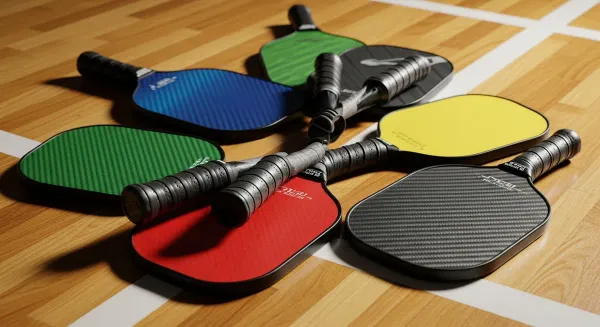
Bring your own paddle once you've decided to play regularly. Borrowing equipment works for your first few sessions, but having your own paddle lets you develop consistent technique. Entry-level paddles cost $30 to $60 and work fine for recreational play.
Wear court shoes with non-marking soles. Running shoes work in a pinch, but court shoes provide better lateral support for the side-to-side movement pickleball requires. Indoor facilities strictly enforce the non-marking sole requirement.
Most facilities provide balls for open play. Outdoor balls differ from indoor balls, facilities stock the appropriate type. Bring your own balls if you're playing with a private group or the facility's supply runs low.
Water bottle, towel, and sunscreen (for outdoor play) are essential personal items. Facilities rarely provide these. Staying hydrated matters more than most players realize, especially during warm weather or extended play sessions. "Court shoes are essential for pickleball because the game requires quick lateral movements and sudden stops that running shoes aren't designed to handle," says Sarah Ansboury, professional pickleball player and certified instructor with the Professional Pickleball Registry.
Costs and Membership Options: What You'll Actually Pay
Pickleball can be nearly free or surprisingly expensive depending on the facilities you choose.
Free Public Courts vs Paid Facilities
Public park courts cost nothing beyond your initial paddle purchase. You'll spend $40 to $80 for a decent starter paddle and maybe $10 for a pack of balls. After that, you're playing for free indefinitely.
Recreation center memberships typically run $30 to $80 monthly with senior discounts often available. This fee includes court access plus other facility amenities like fitness centers and pools. Daily drop-in rates of $5 to $15 work if you're playing less than twice weekly.
Private clubs charge $100 to $300 monthly depending on location and amenities. Some require initiation fees of $200 to $500 plus monthly dues. These facilities justify costs through superior court maintenance, professional instruction, and organized social events.
Dedicated pickleball facilities sometimes offer punch cards or pay-per-visit options. You might pay $10 to $20 per visit rather than committing to monthly membership. This works well if you're still deciding how often you'll play.