Indoor Pickleball Courts: Finding Year-Round Play Locations
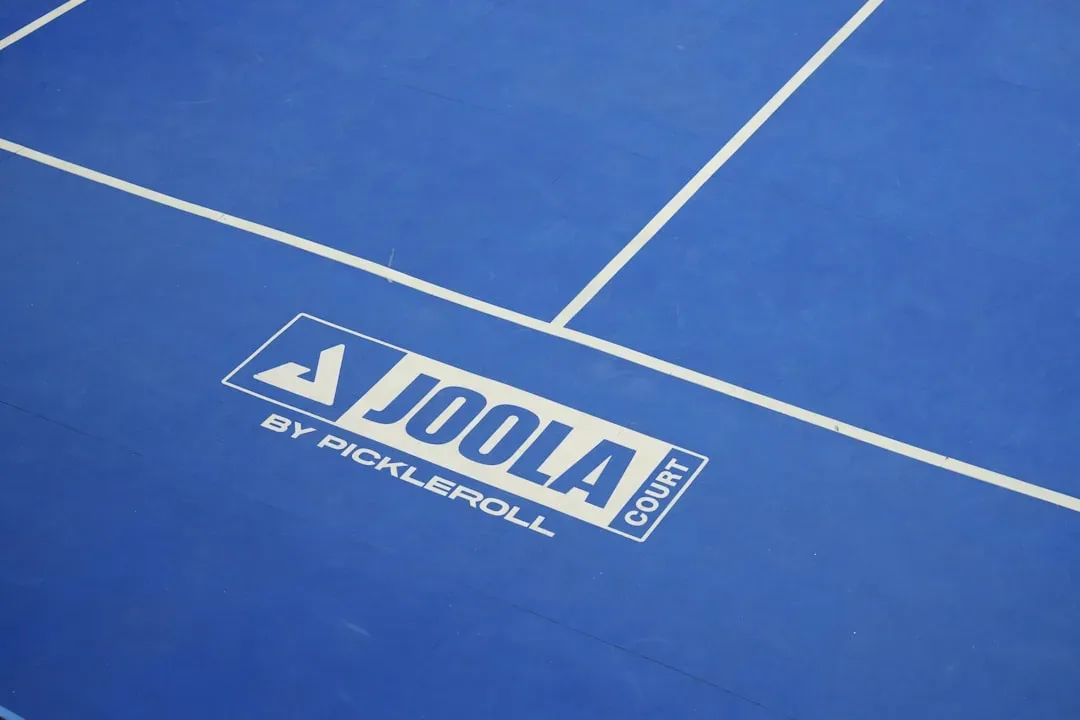
Indoor pickleball courts solve the biggest problem facing year-round players: weather. You'll find them through USA Pickleball's official directory, the Pickleheads mobile app, local recreation centers, dedicated clubs like The Picklr, and community Facebook groups. (Source: USA Pickleball) Most facilities offer drop-in play, memberships, or court rentals ranging from $8-15 per session to $50-150 monthly for unlimited access. (Source: USA Pickleball Member Facility Directory)
Table of Contents
- Why Indoor Pickleball Courts Are Essential for Year-Round Play
- The Weather-Proof Advantage
- Consistency Builds Better Skills
- Types of Indoor Pickleball Facilities and What to Expect
- Dedicated Pickleball Clubs
- Community Recreation Centers and YMCAs
- 24/7 Self-Service Facilities
- How to Find Indoor Pickleball Courts in Your Area
- Online Directories and Mobile Apps
- Local Resources and Community Networks
- Verifying Facility Information Before You Visit
- Evaluating Indoor Facilities: What to Look for Before Joining
- Court Quality and Playing Conditions
- Accessibility and Comfort Features
- Programming and Skill-Level Matching
- Membership Options and Getting the Best Value
Why Indoor Pickleball Courts Are Essential for Year-Round Play
Outdoor courts disappear when you need them most. Rain cancels your Tuesday morning game. July heat makes afternoon play dangerous. Winter closes courts for months in northern states.
Indoor facilities eliminate these interruptions completely. You play on your schedule, not nature's. This consistency matters more as we age because regular activity keeps joints mobile and balance sharp, according to the National Institute on Aging. (Source: National Institute on Aging, U.S. Department of Health and Human Services)
The Weather-Proof Advantage
Temperature control protects older players from heat exhaustion and cold-stiffened joints. Climate-controlled facilities maintain 68-72 degrees year-round, the sweet spot for comfortable movement without overheating. (Source: American College of Sports Medicine)
Sun exposure adds up fast during outdoor play. Three hours weekly outdoors means significant UV exposure, even with sunscreen. Indoor courts eliminate this concern entirely, which honestly matters when you're playing four or five times weekly.
Outdoor seasons vary wildly by region. Minnesota players get maybe four months of reliable outdoor play. Arizona players face dangerous summer heat that makes morning-only play mandatory. Indoor courts extend your season to twelve full months regardless of zip code.
Wind affects ball trajectory outdoors, forcing constant adjustments. Indoor play removes this variable. The ball behaves predictably every single time.
Consistency Builds Better Skills
Your body remembers patterns through repetition. Weekly games build muscle memory for serves, volleys, and footwork. Skip two months for winter and you're rebuilding those patterns from scratch each spring.
Indoor facilities support regular schedules that outdoor courts can't match. You book Thursday mornings at 10 AM, and that slot stays yours regardless of weather. This reliability helps older players maintain coordination and reaction time through consistent practice, according to research published in the National Center for Biotechnology Information. (Source: National Center for Biotechnology Information, National Institutes of Health)
The social component runs deeper than casual friendships. Regular players become your community, the people who notice if you miss a week. That accountability keeps you active when motivation dips. I'll never forget the winter I committed to playing at our local YMCA every Tuesday and Thursday morning. By February, my third-shot drop—which had been wildly inconsistent the previous season—was landing soft in the kitchen almost every time. The feel of that perfect contact, hearing the ball barely whisper as it cleared the net, became second nature in a way it never had when I was playing sporadically outdoors.
Well, there's also the practical reality that many of us manage chronic conditions requiring steady activity levels. Interrupting your routine for months at a time makes symptom management harder. Year-round access means year-round health benefits.
Types of Indoor Pickleball Facilities and What to Expect
Indoor pickleball venues fall into five distinct categories, each with different cost structures and playing experiences. Knowing these differences helps you find the right fit for your budget and playing style.
Dedicated Pickleball Clubs
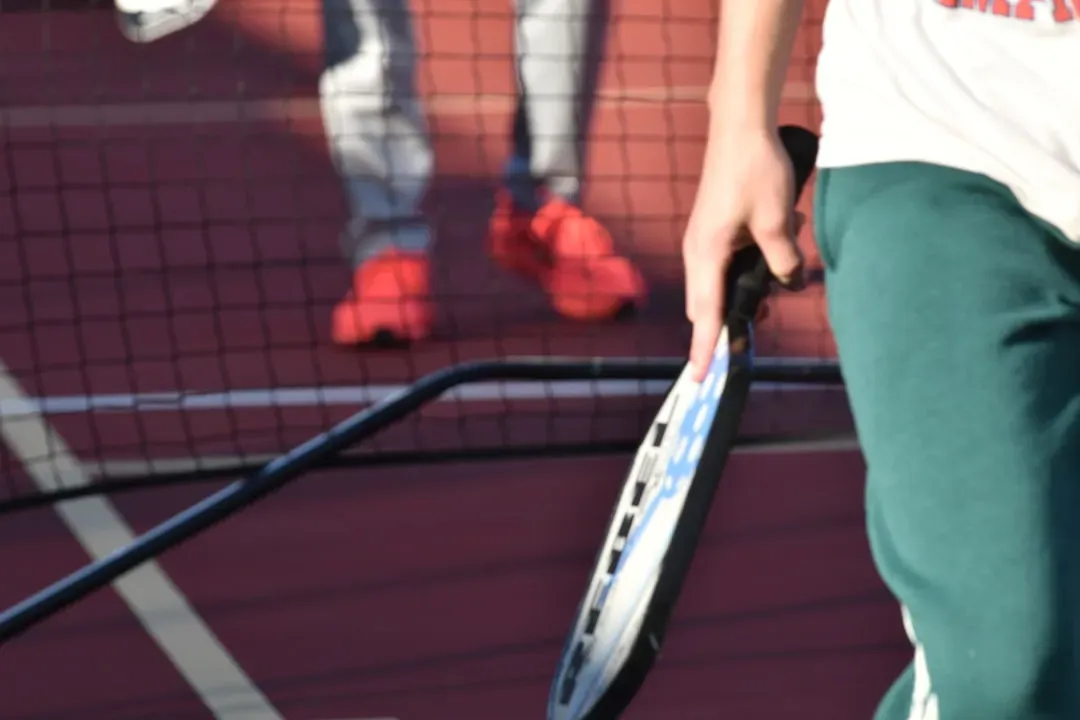
Purpose-built facilities like The Picklr represent the premium option. These clubs feature 6-12 courts designed specifically for pickleball, with proper ceiling heights, professional-grade surfaces, and acoustics engineered to reduce the sport's notorious noise.
Membership typically runs $75-150 monthly for unlimited play. Some clubs offer punch cards or daily rates around $15-20 for visitors. You're paying for convenience: no court setup, no sharing space with basketball leagues, and consistent playing partners at your skill level.
The amenities justify the cost for serious players. Expect locker rooms, pro shops, organized leagues, skill-based open play sessions, and social events. Many clubs offer beginner clinics and private instruction on-site.
The demographic skews heavily toward active retirees with time and budget for regular play. You'll find competitive games and strong community culture.
Community Recreation Centers and YMCAs
Multi-purpose facilities offer the most budget-friendly indoor option. YMCAs and municipal recreation centers typically include pickleball as part of broader memberships costing $30-60 monthly, which also grants access to fitness equipment, pools, and other amenities.
The tradeoff comes in court availability. You're often sharing gym space with basketball, volleyball, or other activities. Courts may only be available during designated pickleball hours, usually 2-4 sessions weekly. Some facilities use portable nets on basketball courts rather than dedicated pickleball courts.
Surface quality varies widely. Some centers have invested in proper court surfaces, while others use whatever flooring the gymnasium already had. Check before joining, because hard concrete floors increase joint impact significantly.
These facilities work well if you play recreationally 2-3 times weekly and value the additional amenities. The social atmosphere tends toward casual, friendly games rather than competitive play.
24/7 Self-Service Facilities
The newest model eliminates staffing costs through app-based reservations and keycard access. You book courts online, show up, and play without interacting with anyone. Rates typically run $10-15 hourly, split among your group.
This model maximizes flexibility. Book courts at 6 AM or 11 PM if that suits your schedule. No membership commitment required, just pay-per-use.
The downside? No instruction, no organized play, and minimal social infrastructure. You need your own group of players. For older adults new to pickleball, this environment can feel isolating. Worth considering if you already have regular playing partners but want scheduling freedom.
How to Find Indoor Pickleball Courts in Your Area
Finding indoor courts requires checking multiple sources because no single directory captures everything. Start with the big databases, then dig into local resources for hidden gems.
Online Directories and Mobile Apps
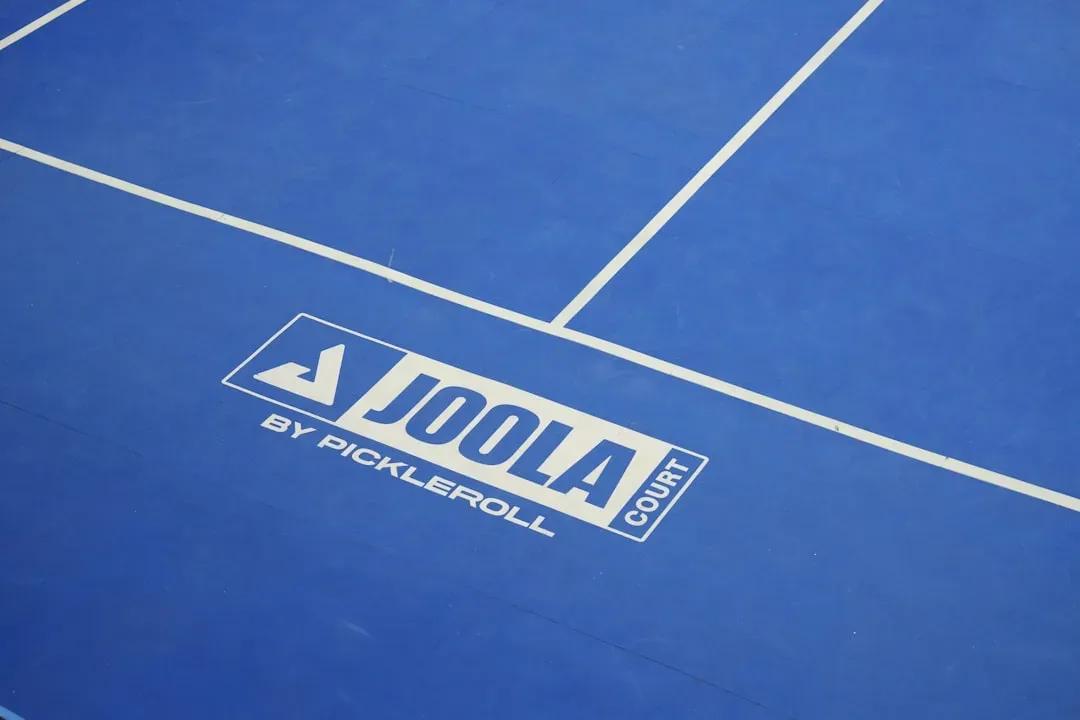
USA Pickleball's Places to Play database at usapickleball.org remains the most comprehensive starting point. The site lets you search by zip code and filter for indoor facilities specifically. Each listing shows address, contact information, number of courts, and whether the facility is public or private.
The Pickleheads app takes this mobile with added features like real-time player check-ins showing who's playing where right now. The interface feels more intuitive than the USA Pickleball website, and the app includes user reviews and photos of facilities.
Playtime Scheduler serves double duty as both a court finder and a booking platform. Many facilities use it for reservations, so you're seeing real-time availability rather than outdated directory listings. The app shows which facilities have open courts today, helpful for spontaneous play.
Google Maps works surprisingly well if you search "indoor pickleball courts near me." The results include user reviews and photos that reveal whether courts are actually dedicated pickleball or just gym space with temporary nets. Read the reviews, they're brutally honest about surface quality and booking hassles.
Cross-reference results across multiple sources. Directory listings go stale quickly as facilities open, close, or change policies.
Local Resources and Community Networks
Facebook groups for your city or region often know about facilities before they appear in official directories. Search "[Your City] Pickleball" and join every group that appears. Post asking about indoor options and you'll get detailed responses from locals who play there regularly.
Your local parks and recreation department website lists municipal facilities, though the information design often makes finding it challenging. Look under "sports," "facilities," or "programs." Call the main office if the website proves unhelpful, the staff know what's available.
Senior centers increasingly offer pickleball, either on-site or through partnerships with nearby facilities. Check bulletin boards and newsletters. Some centers organize group outings to indoor courts with discounted rates.
Ask at the courts you already play. Other players know the area's indoor options and can provide real opinions about which facilities suit older players best. "Parks and recreation departments are increasingly recognizing pickleball as one of the fastest-growing sports in America, and many are retrofitting existing facilities or building dedicated courts to meet demand," says Stu Upson, CEO of USA Pickleball.
Verifying Facility Information Before You Visit
Directory listings lie, not intentionally but through outdated information. Always call ahead before visiting a new facility.
Confirm current hours of operation. Many facilities reduced hours or changed schedules post-pandemic and haven't updated online listings. Ask specifically about drop-in hours versus reserved court times.
Clarify the entry process. Do you need advance registration? Is there a guest pass system? Some facilities require membership even for trial visits, while others welcome drop-ins for a daily fee.
Ask about the court surface type. This matters for joint impact and ball bounce consistency. SportCourt or similar cushioned surfaces feel noticeably different from painted concrete.
Inquire about typical player demographics and skill levels during the times you plan to attend. A facility might have competitive 4.0+ players at 6 PM but recreational 2.5 games at 10 AM. Match your visit to the appropriate crowd.
Evaluating Indoor Facilities: What to Look for Before Joining
Not all indoor courts deliver the same playing experience. Smart evaluation before committing to membership saves money and frustration. Here's what actually matters.
Court Quality and Playing Conditions
Ceiling height determines whether lob shots work properly. You need 20 feet minimum, preferably 24-30 feet. Lower ceilings force you to modify your game, eliminating an entire shot category. Stand at the baseline and look up during your trial visit.
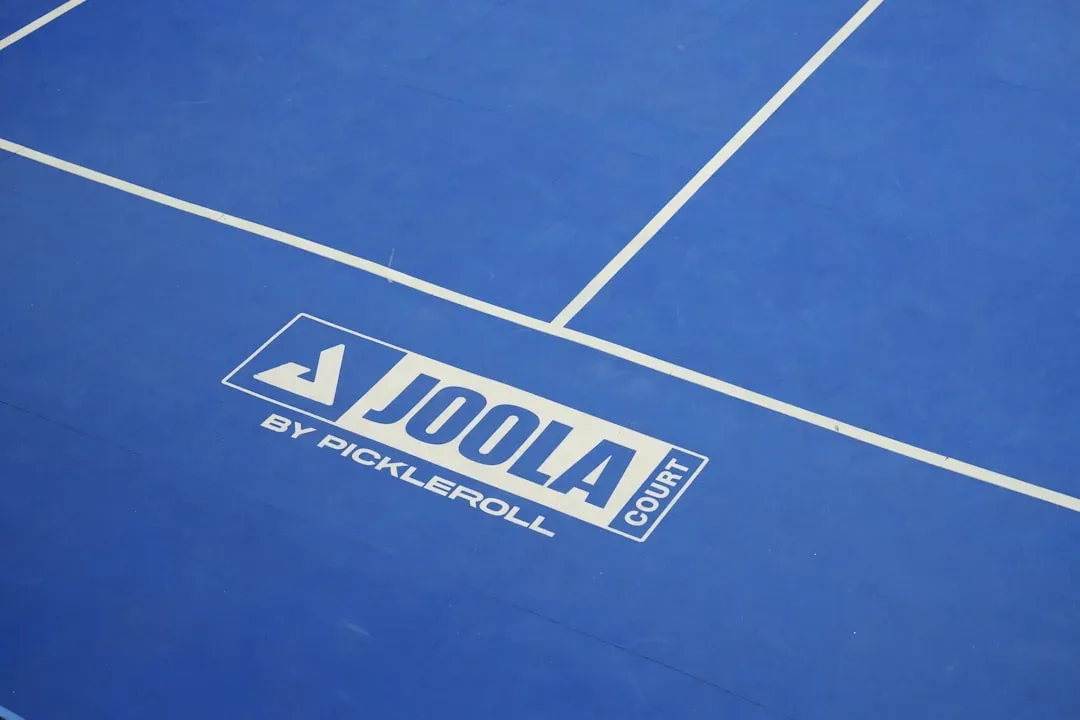
Court surfaces range from cushioned SportCourt tiles to hardwood to painted concrete. SportCourt offers the best joint protection with slight give underfoot. Hardwood works well but can feel slippery until you adjust. Painted concrete, common in converted warehouses, hits hard and can aggravate knee or hip issues over time.
Lighting quality affects play more than most people realize. LED systems with minimal shadows and even coverage let you track the ball accurately. Harsh fluorescents or inadequate lighting causes eye strain and missed shots, particularly challenging older players already managing age-related vision changes.
Temperature control should maintain 68-72 degrees consistently. Facilities that cheap out on climate control create uncomfortable playing conditions, too cold in winter or stuffy in summer despite being indoors. Pay attention during your trial visit, if you're uncomfortable watching, you'll be miserable playing.
Acoustics matter because pickleball generates serious noise. Facilities with sound-dampening panels or acoustic treatments on walls and ceilings reduce the echoing crack of paddle strikes. This protects your hearing during multi-hour sessions and makes conversation between points actually possible.
Accessibility and Comfort Features
Parking proximity becomes crucial when you're playing 3-4 times weekly. A five-minute walk from your car adds up to real inconvenience, especially carrying paddles and water bottles. Look for parking within 100 feet of the entrance.
Seating between courts lets you rest between games without leaving the playing area. Benches or chairs should be available courtside. Standing for two hours straight while waiting for your next game gets exhausting.
Locker room quality indicates the facility's overall maintenance standards. Clean, well-maintained restrooms and changing areas suggest management cares about member experience. Sketchy locker rooms usually mean other problems you haven't discovered yet.
Water stations should be easily accessible from courts. Dehydration sneaks up during extended play sessions. You need convenient refill access without hiking to distant water fountains.
Programming and Skill-Level Matching
Organized open play sessions sorted by skill level prevent the frustration of mismatched games. Facilities should offer designated times for different skill brackets: beginner (2.0-2.5), intermediate (3.0-3.5), and advanced (4.0+) play.
Beginner instruction availability helps if you're new or want to refine specific skills. Look for regular clinics or private lesson options. Some facilities include group lessons with membership, others charge separately.
League options provide structure and social connection beyond drop-in play. Seasonal leagues with skill-based divisions give you regular partners and progression tracking. Ask about league costs, time commitments, and whether they accommodate players who travel or have inconsistent schedules.
Drop-in scheduling flexibility lets you play when life permits rather than committing to fixed times. The best facilities offer open play throughout the day with enough courts that you rarely wait long for a game. According to the 2023 USA Pickleball Participation Report, 67% of new players who joined a structured league or clinic within their first six months continued playing regularly after one year, compared to just 28% of those who only attended open play sessions. The Sports & Fitness Industry Association found that facilities offering skill-tiered programming saw 43% higher member retention rates than those with open play only. When you're evaluating a facility's league structure, this data suggests that regular organized play with players near your level significantly improves your long-term engagement and skill development trajectory.
Membership Options and Getting the Best Value
Indoor facilities structure pricing in several ways, each with different value propositions depending on how often you play. Running the numbers before committing prevents overpaying for access you won't use.
Drop-In Play vs. Membership: Cost Analysis by Usage Frequency
| Usage Level | Drop-In Rate | Monthly Play Sessions | Drop-In Total Cost | Unlimited Membership Cost | Best Option |
|---|---|---|---|---|---|
| Light (2-4 sessions/month) | $8-15 per session | 2-4 | $16-60 | $50-150 | Drop-in play |
| Moderate (8-12 sessions/month) | $8-15 per session | 8-12 | $64-180 | $50-150 | Unlimited membership |
| Frequent (16+ sessions/month) | $8-15 per session | 16+ | $128-240+ | $50-150 | Unlimited membership |
While drop-in rates suit occasional players, understanding facility types reveals how membership benefits vary across different venue structures and pricing models.
Indoor Pickleball Facility Types and Cost Comparison
| Facility Type | Monthly Cost | Number of Courts | Key Features | Best For |
|---|---|---|---|---|
| Dedicated Pickleball Clubs | $75-150 | 6-12 | Professional surfaces, proper ceiling heights, pro shops, organized leagues, skill-based sessions, instruction available | Serious players seeking competitive play and community |
| Community Recreation Centers/YMCAs | $30-60 | 1-4 (shared) | Multi-purpose facility access, fitness equipment, pools, budget-friendly | Casual players and those wanting broader gym access |
| 24/7 Self-Service Facilities | $50-100 | Variable | Automated booking, flexible hours, self-service court setup | Players needing non-traditional hours |
Monthly unlimited memberships make sense if you play 8+ times per month. At $75-150 monthly, you break even compared to per-visit rates around session 6-8. These memberships typically include access to all open play times, league participation, and member events. Some facilities offer family memberships covering two household members at slight premium over individual rates.
Punch cards or class packs provide middle-ground flexibility. Buy 10 or 20 sessions at discounted rates compared to daily drop-in fees. These work well if you play 4-6 times monthly but want to avoid monthly membership commitment. Sessions usually don't expire for 6-12 months, giving you flexibility around travel or health interruptions.
Daily drop-in rates ($10-20 per session) suit occasional players or those trying facilities before joining. You're paying premium per-visit pricing for zero commitment. This makes sense for your first few visits but becomes expensive quickly if you play regularly.
Annual memberships offer the deepest discounts, typically 10-20% off monthly rates when paid upfront. You're committing $800-1500 for the year in exchange for significant savings. Only choose this option after playing at the facility for several months to confirm it meets your needs consistently.
Senior discounts exist at many community recreation centers and some YMCAs, usually 10-25% off standard rates for members 60+. Always ask, even if discounts aren't advertised. Private clubs less commonly offer age-based discounts but may have off-peak rates for weekday morning play when many older adults prefer playing anyway.
Trial periods let you test facilities before committing. Many clubs offer week-long or month-long trial memberships at reduced rates. Use this time to evaluate everything: court quality, player community, scheduling convenience, and whether you'll actually use the membership enough to justify the cost.
Hidden costs sometimes appear after joining. Ask about mandatory equipment rentals, guest fees if you want to bring friends, tournament entry fees if you join leagues, or parking charges at urban facilities. These extras can add $20-50 monthly to your actual costs.
To be fair, the best value isn't always the cheapest option. A facility costing $30 more monthly but located 10 minutes closer to your home saves you 40 minutes weekly in driving time. That convenience often justifies the premium, especially when factoring in gas costs and the simple reality that you'll play more often when the facility is convenient.
Negotiate when possible. Facilities often run promotions waiving initiation fees or offering discounted first months. Ask what deals are available, especially during slower enrollment periods in late spring or early fall. The worst they can say is no, and you might save $50-100 on signup.
Related Articles
- Find Pickleball Courts Near You: Complete Location Guide
- Best Pickleball Facilities Near You: What to Look For
- Outdoor Pickleball Courts: Finding the Best Open-Air Venues
- Pickleball Court Shortage: Understanding Access Problems and Solutions
- Pickleball Clubs & Lessons: Find Local Programs and Training
- Pickleball Equipment & Gear: Complete Buyer's Guide
Frequently Asked Questions
What's the typical cost to play at an indoor pickleball court?
Indoor pickleball facilities typically charge $8-15 per drop-in session or $50-150 monthly for unlimited access memberships. Costs vary by facility type and location, with dedicated clubs and YMCAs often offering different pricing structures. Many facilities offer both options, so you can choose based on how frequently you plan to play.
How do I find indoor pickleball courts near me?
Start with USA Pickleball's official directory or the Pickleheads mobile app for comprehensive listings. You can also check local recreation centers, YMCAs, dedicated pickleball clubs like The Picklr, and community Facebook groups. Always verify facility information and hours before visiting to ensure they're currently operating.
Can I reserve the same court time every week at indoor facilities?
Yes, many indoor facilities allow you to book recurring time slots, such as Thursday mornings at 10 AM. This recurring reservation guarantees consistency for skill development and creates accountability with regular playing partners, which is especially valuable for building muscle memory.
What temperature do indoor pickleball courts maintain?
Climate-controlled indoor facilities typically maintain temperatures between 68-72 degrees Fahrenheit year-round. This temperature range is optimal for comfortable movement without overheating, and it's especially beneficial for older players who need protection from heat exhaustion and cold-stiffened joints.
Are there 24/7 indoor pickleball facilities available?
Yes, some indoor pickleball facilities offer 24/7 self-service access. These facilities typically require membership and provide keycard or app-based entry, allowing you to play at any time that fits your schedule.
How does year-round indoor play improve my pickleball skills?
Consistent, year-round play builds stronger muscle memory for serves, volleys, and footwork through regular repetition. Unlike outdoor play interrupted by seasonal weather, indoor courts let you maintain the same skill development schedule weekly, preventing the need to rebuild patterns each spring.
What health benefits come from playing pickleball year-round indoors?
Year-round indoor play maintains joint mobility, balance, and coordination through consistent activity, which is especially important as we age. Regular play also helps manage chronic conditions that require steady activity levels, and the social accountability of regular playing partners keeps you motivated to stay active.