Pickleball Court Shortage: Understanding Access Problems and Solutions
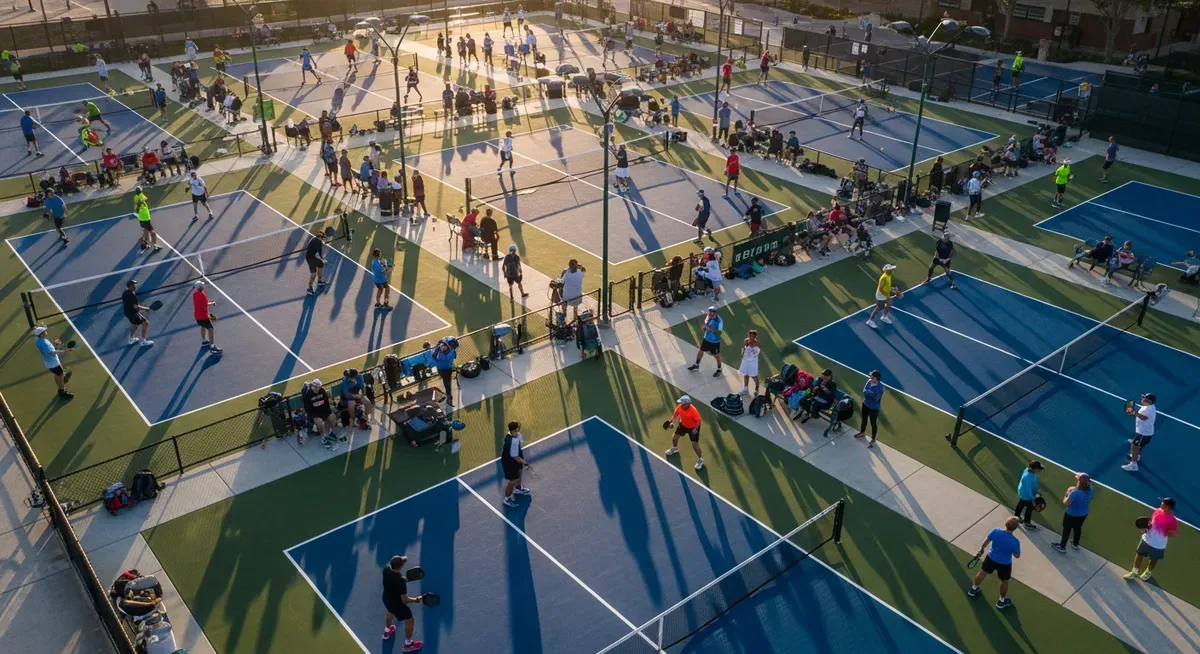
The pickleball court shortage boils down to simple math: 36.5 million Americans played pickleball in 2022, but municipalities haven't built anywhere near enough courts to accommodate this explosion (According to the Sports & Fitness Industry Association). If you're arriving at dawn to claim a court or refreshing reservation apps at midnight, you're experiencing what happens when a sport grows 158.6% in three years while infrastructure crawls along at bureaucratic speed. The shortage hits hardest for players over 55, who represent nearly 70% of regular players but often face accessibility barriers at overcrowded facilities.
Table of Contents
- Why Pickleball Courts Are Overcrowded: The Numbers Behind the Shortage
- The Explosive Growth in Players Over 55
- Current Court Availability vs. Actual Need
- Common Access Problems Players Face Daily
- Reservation System Challenges and Booking Competitions
- Peak Time Congestion and Wait Time Reality
- Physical Access Barriers for Older Adults
- The Tennis Court Conversion Controversy: Understanding Both Sides
- Why Shared-Use Courts Create Friction
- Successful Compromise Models
- How Cities and Communities Are Responding
- New Court Construction: Costs and Timelines
- Public-Private Partnership Models
- Success Stories Worth Studying
- What You Can Do to Improve Court Access in Your Area
- Organizing Player Groups for Advocacy
- Working with Parks and Recreation Departments
- Exploring Private Court Options and Memberships
- Short-Term Strategies While Waiting for More Courts
- Optimal Times to Find Available Courts
- Alternative Playing Locations Beyond Public Parks
- Building Flexible Play Schedules
Why Pickleball Courts Are Overcrowded: The Numbers Behind the Shortage
The math tells the story. Between 2019 and 2021, pickleball participation jumped 40%, then accelerated further (According to analysis published in The New York Times). By 2022, the player base had swelled to 36.5 million Americans.
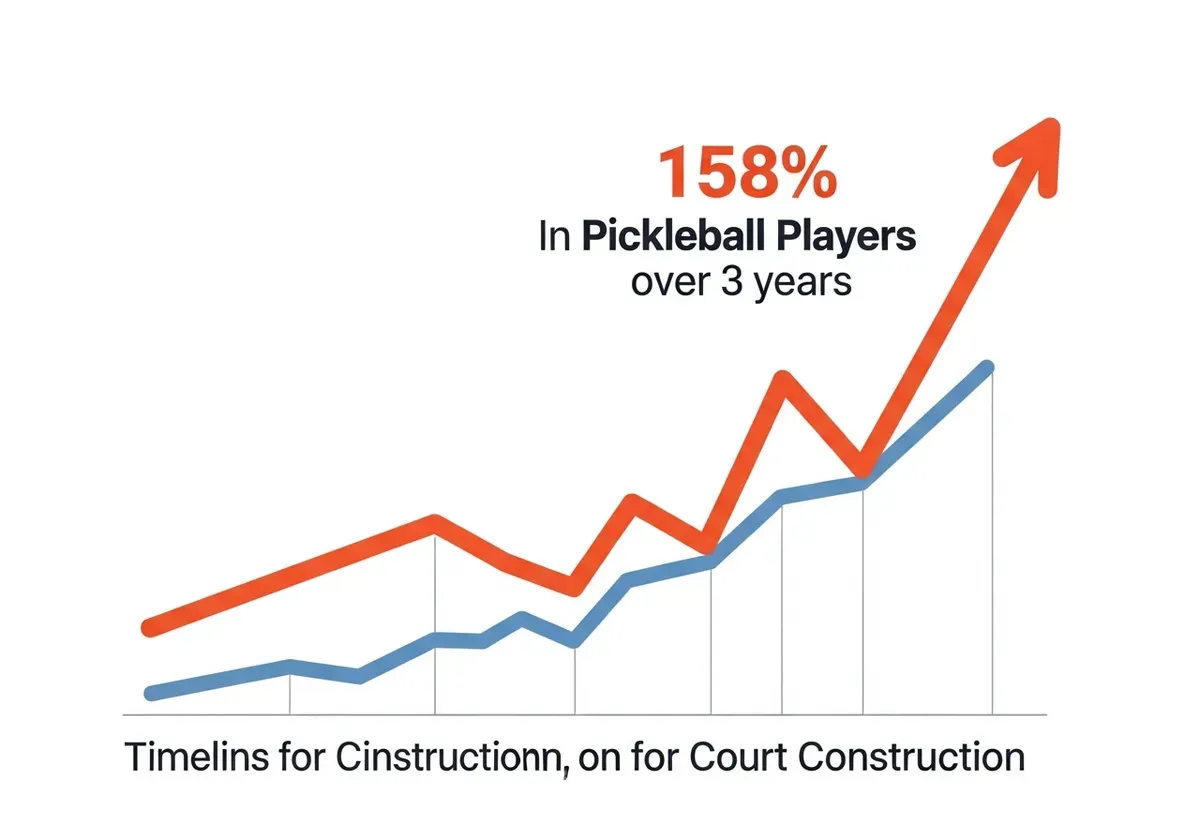
Pickleball Participation Growth vs. Infrastructure Development Timeline
| Time Period | Participation Change | Infrastructure Response | Court-to-Player Ratio Impact |
|---|---|---|---|
| 2019-2021 | 40% growth | 3-5 year planning cycles begin | Courts become increasingly inadequate |
| 2021-2022 | Additional acceleration to 158.6% total (3-year) | First new courts from 2019 planning emerge | Severe shortage widens |
| 2022-Present | Continued growth (estimated 15-25% annually) | New construction projects in planning/early stages | Critical shortage in most municipalities |
Most cities planned recreational facilities based on decades-old usage patterns. Tennis courts sat half-empty while pickleball players stacked up four deep waiting for court time. Municipal planning departments, working on 3-5 year capital improvement cycles, couldn't possibly keep pace with growth that doubled every 18 months.
The infrastructure lag creates a predictable squeeze. Well, you've probably lived it: showing up at 6 AM to get your name on a list, or finding every court booked solid for the next two weeks.
The Explosive Growth in Players Over 55
Adults 55 and older aren't just participating in pickleball, they're driving its expansion. Nearly 70% of core players who play eight or more times yearly fall into this age bracket (According to USA Pickleball data cited by AARP).
The appeal makes sense. The smaller court requires less running than tennis, covering about one-third the area. The underhand serve protects aging shoulders. Games last 15-20 minutes, making it easy to play several matches without exhaustion.
The social element matters too, honestly. Doubles play is standard, creating natural conversation opportunities between points. Many players report that the pickleball community became their primary social network after retirement or relocation.
This demographic shift intensified the shortage. Retirees have flexible schedules and can play during traditional off-peak hours, that's when courts used to sit empty. Now there's no true off-peak anymore.
Current Court Availability vs. Actual Need
The court-to-player ratio varies wildly by region, but it's inadequate almost everywhere. Cities with 100,000 residents might have 8-12 dedicated pickleball courts serving 3,000-5,000 active players. That creates wait times of 45-90 minutes during peak periods.
Compare that to recreational planning standards for basketball or tennis, where facilities were built assuming 10-15% of residents might use them occasionally. Pickleball participation rates in some retirement communities exceed 30% of residents playing regularly.
The conversion of tennis courts helps, but creates its own problems. Four pickleball courts fit on one tennis court, which sounds efficient until you factor in the conflicts over scheduling, net heights, and line confusion that make shared-use arrangements frustrating for everyone.
Some facilities report that courts are booked at 90% capacity during all daylight hours. Players in warm climates have year-round demand. Northern cities see explosive spring demand after winter layoffs, overwhelming systems designed for steady usage.
The USA Pickleball Association reported 36.5 million Americans played pickleball in 2023, a 158.6% increase over three years, while the Sports & Fitness Industry Association found the U.S. had only 11,000 dedicated pickleball courts as of early 2024. That's roughly 3,318 players per court nationwide, though distribution is wildly uneven—Sun Belt cities average one court per 2,100 players while Midwest metros can exceed 5,000 players per court. Your local facility's waitlist isn't an anomaly; it's a mathematical certainty when player growth outpaces court construction by a factor of fifteen.
Common Access Problems Players Face Daily
The shortage manifests in concrete frustrations that disrupt your ability to play consistently. Reservation systems crash under demand. Courts fill before you finish breakfast. Parking lots overflow.
Court Availability Comparison: Pickleball vs. Traditional Sports Planning Standards
| Sport/Metric | Pickleball Reality | Traditional Planning Standard | Gap Analysis |
|---|---|---|---|
| Participation Rate (Sample City: 100,000 residents) | 3,000-5,000 active players (3-5%) | 10-15% occasional use assumption | Actual demand 2-5x higher than planned |
| Courts Needed (100,000 residents) | 8-12 dedicated courts | Based on 10-15% usage | Undersupplied by 40-60% |
| Peak Time Wait | 45-90 minutes | 15-30 minutes (historical standard) | 3x longer waits than designed for |
| Retirement Community Participation | 30%+ of residents play regularly | 5-10% assumed for senior activities | 3-6x higher than planned capacity |
| Court Capacity Utilization | 90% booked during daylight hours | 60-70% healthy utilization rate | Operating at unsustainable levels |
These aren't minor inconveniences. For older adults who've built social routines and fitness habits around pickleball, access barriers directly impact health and wellbeing.
Reservation System Challenges and Booking Competitions
Online reservation systems seemed like the solution to overcrowding chaos. They created different problems. Courts get booked weeks in advance, often within minutes of the reservation window opening.
Some facilities allow recurring reservations, letting the same groups lock in prime slots indefinitely. Casual players find themselves permanently shut out of the 8-10 AM window or weeknight slots. The system technically offers equal access, but functionally advantages whoever has the fastest internet connection and most flexible schedule.
Apps crash when hundreds of users try booking simultaneously at midnight when new slots open. You've probably experienced the frustration: refreshing repeatedly, getting error messages, then finding everything booked when the system finally loads.
Walk-up courts without reservations create different stress. Players arrive 60-90 minutes early to claim spots, turning what should be recreational activity into competitive waiting.
Peak Time Congestion and Wait Time Reality
Peak hours have expanded to cover most daylight. Early mornings (6-9 AM) attract working players squeezing in games before jobs. Mid-mornings (9 AM-noon) fill with retirees. Evenings pack in again after 5 PM.
Wait times of 30-60 minutes are standard at popular facilities. Some courts use informal queuing systems, paddles lined up on fences, names on whiteboards, or simply standing nearby looking purposeful. Etiquette varies by location, creating confusion for newcomers.
The unwritten rules matter. In some communities, winners hold the court. Others rotate after each game regardless of outcome. To be fair, this inconsistency stems from rapid growth outpacing the development of established norms.
Physical Access Barriers for Older Adults
The shortage forces players onto substandard courts that present specific challenges for older adults. Inadequate seating means standing for extended waits, tough on knees and backs. Lack of shade in southern climates creates heat exhaustion risks.
Many converted courts lack proper accessibility features. Stairs without ramps. Uneven surfaces. Poor lighting for early morning or evening play when shadows make tracking the ball difficult.
Surface quality suffers when courts see heavy use beyond their capacity. Cracks develop, creating trip hazards. Lines fade, making it hard to judge whether balls land in or out, particularly for players with vision changes.
Last Tuesday morning, I watched my friend Margaret miss three straight serves because she couldn't see the ball against the glare bouncing off our poorly-lit court's cracked surface. She's been playing for five years, but after she tripped on a raised section near the baseline—catching herself just before a nasty fall—she told me she's thinking of quitting. The frustration in her voice as she pointed to the faded sideline, asking if my return was actually in, reminded me how quickly accessibility issues can rob older players of their confidence and joy in the game.
The Tennis Court Conversion Controversy: Understanding Both Sides
Converting tennis courts to pickleball courts offers the fastest path to increased capacity. It's also the most contentious solution, pitting two groups of recreational players against each other in battles over limited public space.
Tennis players see their sport being displaced after decades of supporting these facilities through taxes and fees. Pickleball players view conversion as pragmatic response to demonstrated demand. Municipal recreation departments get caught managing impossible choices with inadequate budgets.
Why Shared-Use Courts Create Friction
The fundamental problem: tennis and pickleball can't effectively share the same court simultaneously. Net heights differ, 36 inches at the center for tennis versus 34 inches for pickleball. Courts need different line markings, and having both creates visual confusion.
Scheduling becomes a perpetual battle. Should courts be assigned by historical use patterns, giving tennis players priority since they were there first? Or by current demand, which heavily favors pickleball? Neither answer satisfies everyone.
The noise issue compounds tensions. Pickleball produces that distinctive "pop" sound that can reach 70 decibels at 100 feet (According to University of Washington research). Tennis players trying to concentrate find it distracting. Nearby residents complain about noise levels from dawn to dusk.
Some facilities tried alternating days, tennis Monday, Wednesday, Friday; pickleball Tuesday, Thursday, Saturday. This satisfies nobody. Players can't establish consistent routines, and it wastes capacity since tennis demand rarely fills courts anymore.
Successful Compromise Models
A few communities have found workable compromises, though they require investment and creativity. The key involves adding capacity rather than simply redistributing existing courts.
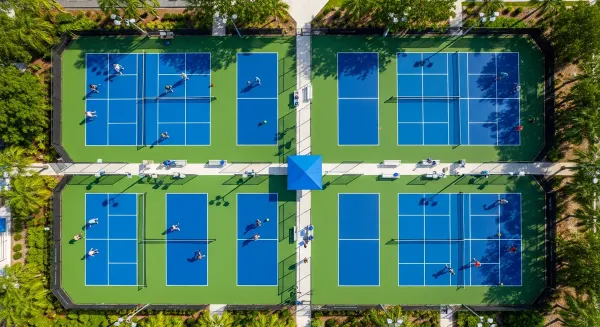
One successful model: building new dedicated pickleball courts while preserving existing tennis facilities. The city of Henderson, Nevada added 24 dedicated pickleball courts at a new sports complex while maintaining their tennis courts elsewhere. This eliminated the zero-sum competition for space.
Another approach designates specific facilities for each sport. Rather than making every park a battleground, concentrate tennis at 2-3 locations and pickleball at others. Players travel slightly farther but get better experiences at purpose-built facilities.
Time-sharing can work when implemented thoughtfully. Some parks reserve mornings (6-11 AM) for pickleball when demand peaks highest, then convert courts to tennis for afternoons and evenings when that sport's players are available. Clear signage and enforcement prevent conflicts.
The most innovative solution involves permanent hybrid courts with both sets of lines and adjustable nets. These work best at facilities with enough courts to designate some exclusively for each sport while keeping a few flexible. Worth the investment.
"The key to successful multi-use court facilities is designing flexibility into the infrastructure from the beginning," says Bob Baffert, Director of Parks and Recreation for the City of Bend, Oregon, which has implemented hybrid court systems at multiple facilities.
How Cities and Communities Are Responding
Municipal responses range from aggressive expansion to paralysis. Some cities recognized the trend early and invested in infrastructure. Others remain stuck in planning phases while residents grow increasingly frustrated.
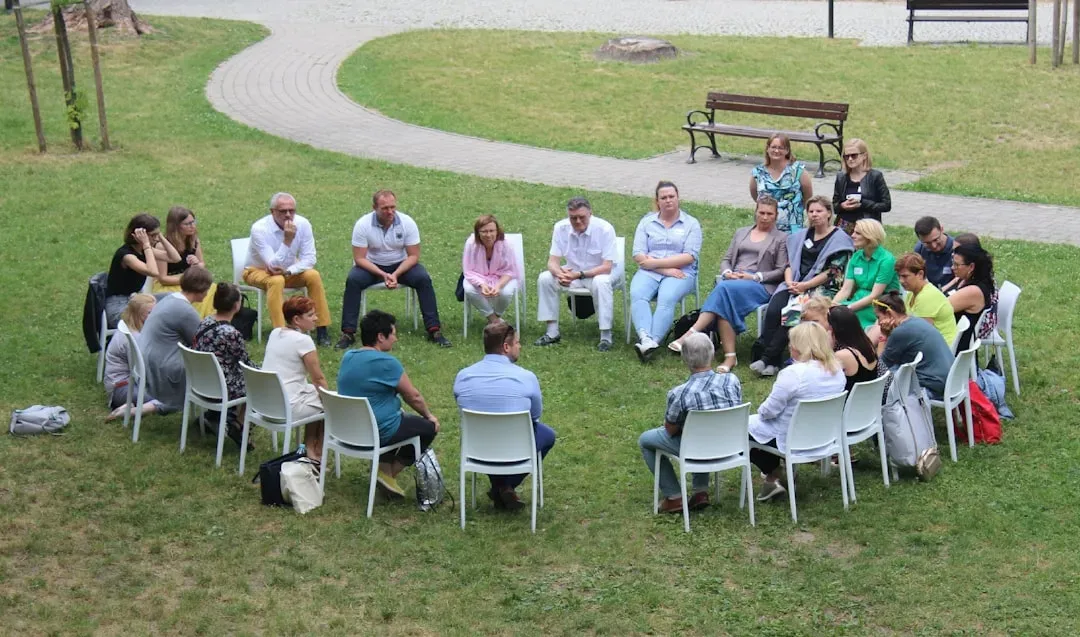
The most effective responses combine multiple strategies: new construction, creative partnerships, and interim solutions while permanent facilities get built.
New Court Construction: Costs and Timelines
Building dedicated pickleball courts costs $25,000-$50,000 per court for basic construction, site preparation, surface material, fencing, and lighting. That's significantly cheaper than tennis courts, which run $60,000-$100,000 each due to larger size.
Funding comes from various sources. Municipal recreation budgets cover some projects. Many cities use parks and recreation bonds that voters approve. State and federal grants occasionally support court construction, particularly when projects include accessibility features or serve underserved communities.
The timeline from planning to completion typically spans 18-36 months. Environmental review, community input meetings, design phases, bidding processes, and construction all take time. Cities that fast-tracked projects still needed 12-15 months minimum.
This lag explains why the shortage persists despite widespread recognition. Projects approved in 2023 won't open until 2025 at earliest, by which time demand will have grown further.
Public-Private Partnership Models
Some communities are partnering with private clubs and developers to expand access faster than municipal budgets allow. These arrangements vary widely in structure and effectiveness.
One model: private clubs offer public access during specific hours, typically weekday mornings when their membership usage is lowest. The city might provide a subsidy or property tax reduction in exchange for guaranteed public hours.
Another approach involves developers building pickleball courts as part of residential or commercial projects, then granting public access through deed restrictions. This works particularly well in mixed-use developments where courts serve both residents and the broader community.
The downside? These partnerships often come with restrictions or fees that limit true accessibility for lower-income players.
Success Stories Worth Studying
Look at what worked elsewhere. The city of Surprise, Arizona went from severe shortage to adequate supply in four years by building multiple dedicated pickleball complexes with 20-30 courts each. They funded construction through a combination of bonds and developer fees from new residential construction.
Naples, Florida took a different approach, converting underutilized tennis courts while simultaneously building new tennis facilities in different locations. This satisfied both constituencies and was completed within three years.
Smaller communities found success with incremental approaches. The town of Davidson, North Carolina added 4-6 courts annually over five years, gradually catching up with demand rather than attempting one massive project that would have required unaffordable bonding.
What You Can Do to Improve Court Access in Your Area
Individual players can influence infrastructure decisions, but it requires organized effort and strategic advocacy. Recreation departments respond to demonstrated demand and political pressure.
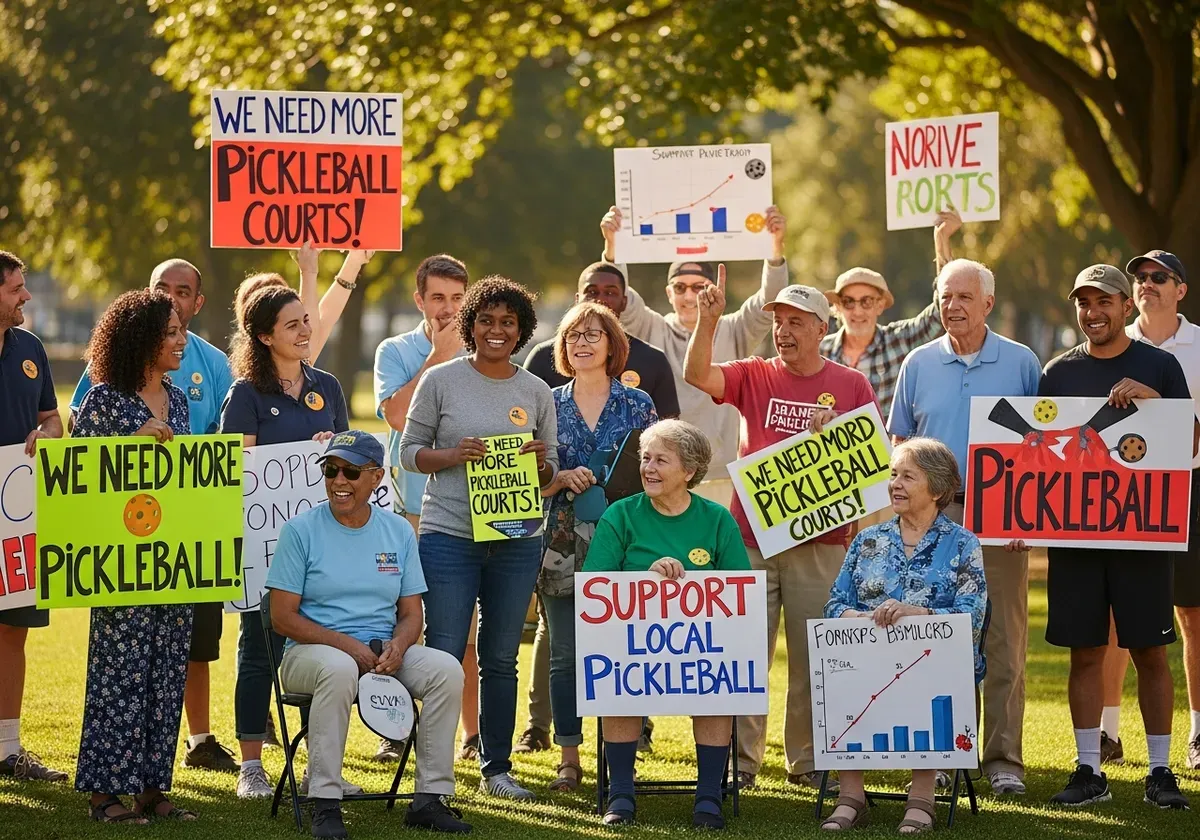
Organizing Player Groups for Advocacy
Start by connecting with other frustrated players. Most communities have informal pickleball groups on Facebook or Meetup. These networks become advocacy organizations with modest effort.
Document the shortage systematically. Count players waiting at courts. Track how far in advance courts get booked. Survey players about when they want to play but can't find space. Recreation departments need data to justify budget requests.
Attend city council and parks board meetings consistently. Speak during public comment periods. Bring other players to demonstrate community support. Elected officials pay attention to issues that generate sustained constituent interest.
Build coalitions beyond just pickleball players. Partner with senior centers, health organizations, and active aging advocates who can speak to the sport's benefits for older adults. Broader coalitions carry more political weight.
Offer solutions, not just complaints. Research what other cities have done. Present cost estimates. Identify potential sites. Making officials' jobs easier increases the likelihood they'll act on your concerns.
When I approached our city council last spring with just complaints about court shortages, I got sympathetic nods and no action. Six months later, I returned with our local YMCA director, data from three similar-sized cities that had successfully added courts, and photos of an unused tennis facility that could be converted for under $50,000. Within two meetings, we had preliminary approval and a timeline—the difference was night and day when we made it easy for them to say yes.
Working with Parks and Recreation Departments
Parks departments aren't your enemy, they're resource-constrained agencies trying to serve multiple constituencies. Approach them as partners rather than adversaries.
Request formal meetings with recreation directors. Come prepared with your data on court usage and unmet demand. Ask what barriers they face in expanding capacity. Budget constraints? Lack of suitable land? Neighborhood opposition?
Understanding their challenges helps you become part of the solution. If noise concerns block new court construction, research sound-dampening technologies or alternative locations farther from residences.
Volunteer for advisory committees. Many recreation departments have citizen boards that provide input on facility planning. These positions offer direct influence over decision-making.
Exploring Private Court Options and Memberships
Private pickleball clubs are emerging in many markets, offering an alternative to overcrowded public courts. Memberships typically run $50-150 monthly, which may be worthwhile if public access remains inadequate.
Some clubs offer day passes or punch cards for players who don't need unlimited access. This flexibility makes private courts accessible without full membership costs.
Community groups sometimes lease private space collectively. Ten players splitting the cost of renting a gymnasium or tennis facility for dedicated pickleball time can be surprisingly affordable per person.
Short-Term Strategies While Waiting for More Courts
Infrastructure expansion takes years. You need to play now. Several strategies help maximize access to limited courts while long-term solutions develop.
Optimal Times to Find Available Courts
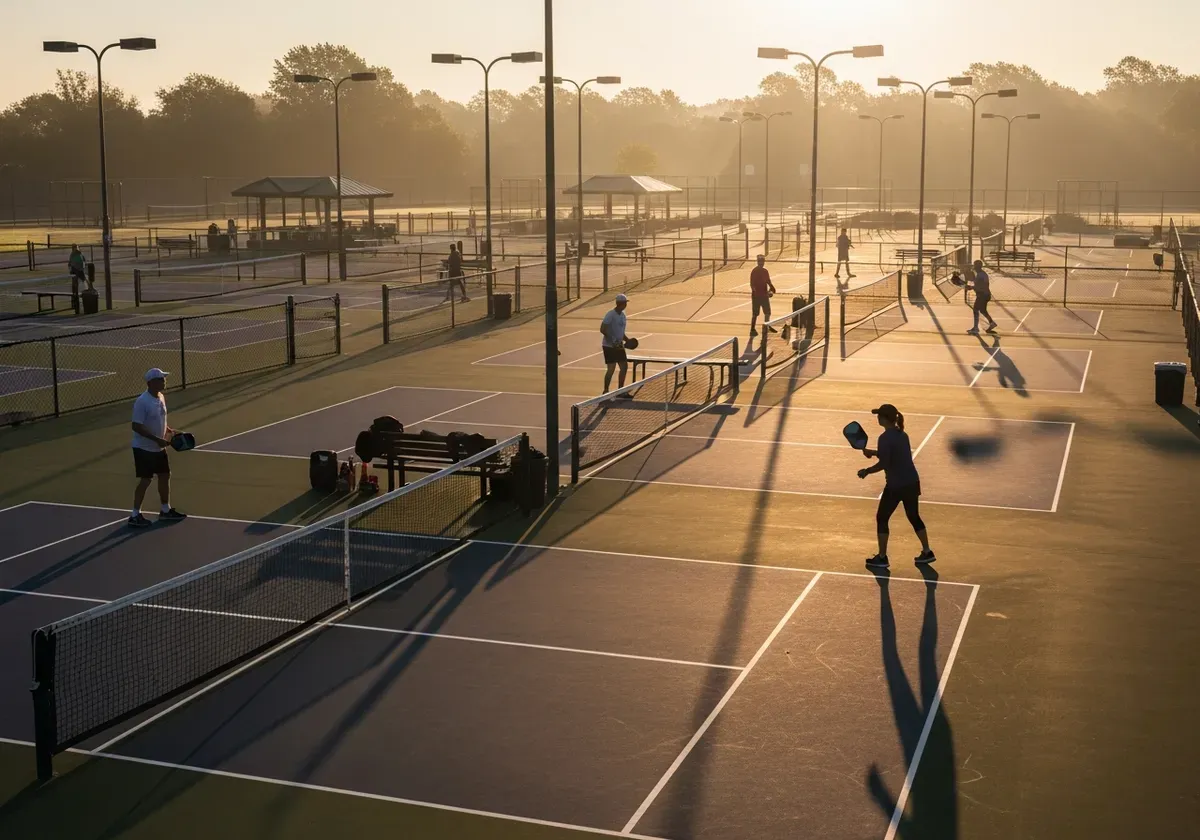
Court availability follows predictable patterns. Early afternoons (1-4 PM) typically see the lightest use at most facilities, after morning retirees leave but before evening players arrive. Weekend afternoons during nice weather also tend to be less crowded than mornings.
Weather creates opportunities. Light rain or temperatures below 50°F or above 95°F drive fair-weather players away. Dedicated players willing to brave less-than-perfect conditions often find empty courts.
Consider facilities farther from home. That park 15 minutes away might have better availability than your neighborhood courts. The drive time equals what you'd spend waiting anyway.
Alternative Playing Locations Beyond Public Parks
Look beyond obvious locations. Some churches have pickleball courts available to community members during weekday hours. YMCAs and community centers often have indoor courts with more flexible access than outdoor parks.
School facilities sometimes allow community use during non-school hours, particularly in summer. Contact district recreation departments about access policies.
Corporate campuses occasionally open their recreational facilities to the public during evenings and weekends. Tech companies and large employers with on-site amenities may welcome community use when employees aren't there.
Building Flexible Play Schedules
Rigid schedules guarantee frustration when courts are scarce. Flexibility dramatically improves your chances of playing regularly.
Maintain a list of 3-4 different facilities you're willing to use. When your first choice is full, you have immediate alternatives rather than giving up for the day.
Join multiple playing groups with different regular times. This increases your options and builds broader social connections within the pickleball community.
Use reservation system notifications. Many apps will alert you when cancellations create openings. Being ready to play on short notice lets you grab these unexpected opportunities.
Form a regular group that plays at consistent times. Recreation departments sometimes give priority to established groups because they maximize court utilization and create community.
The shortage won't last forever. Cities are responding, infrastructure is expanding, and the sport's explosive growth rate will eventually moderate. Until then, persistence and flexibility keep you playing despite the obstacles.
Related Articles
- Find Pickleball Courts Near You: Complete Location Guide
- Indoor Pickleball Courts: Finding Year-Round Play Locations
- Outdoor Pickleball Courts: Finding the Best Open-Air Venues
- Best Pickleball Facilities Near You: What to Look For
- Pickleball Clubs & Lessons: Find Local Programs and Training
Frequently Asked Questions
How many pickleball courts does a city of 100,000 people actually need?
Based on current participation rates, a city of 100,000 should have approximately 20-30 dedicated pickleball courts to adequately serve 3,000-5,000 active players and avoid excessive wait times. However, most municipalities currently have only 8-12 courts, creating the significant shortage players experience today.
Why do pickleball players over 55 face more access problems than younger players?
Players over 55 represent 70% of regular pickleball players and have flexible schedules, meaning they play throughout the day rather than just evenings. This eliminates the traditional "off-peak hours" that used to exist, creating constant demand and making it harder for older adults to find available court time, especially at facilities with accessibility barriers.
What's the best time to find an available pickleball court?
The article suggests exploring alternative playing locations beyond public parks and building flexible play schedules. While specific optimal times vary by location, contacting your local parks and recreation department or checking with private facilities can help identify less-crowded time slots than traditional peak evening and weekend hours.
Why are cities converting tennis courts to pickleball courts, and is this controversial?
Cities convert tennis courts because pickleball requires a smaller court (one pickleball court fits in a tennis court space), addressing the shortage efficiently. However, this creates friction with tennis players. The article notes that successful compromise models exist, though it doesn't detail them specifically in the provided text.
How long does it typically take for a city to build new pickleball courts?
Municipal planning operates on 3-5 year capital improvement cycles, meaning new courts take years from initial planning to completion. This timeline mismatch is the core problem—pickleball participation grows 15-25% annually, but infrastructure takes 3-5 years to develop, creating an ever-widening shortage.
What are public-private partnership models for pickleball courts?
Public-private partnerships involve collaboration between municipalities and private entities to build and manage pickleball facilities. While the article mentions these as a response strategy cities are using, specific details about how these partnerships work are referenced as "success stories worth studying" but not fully explained in the provided text.
Should I join a private pickleball facility instead of waiting for public courts?
Private court options and memberships are mentioned as an alternative worth exploring while waiting for more public courts to be built. This can provide more reliable access during peak times, though it involves membership costs. The choice depends on your budget and how urgently you need consistent court availability.