Pickleball Equipment & Gear: Complete Buyer's Guide
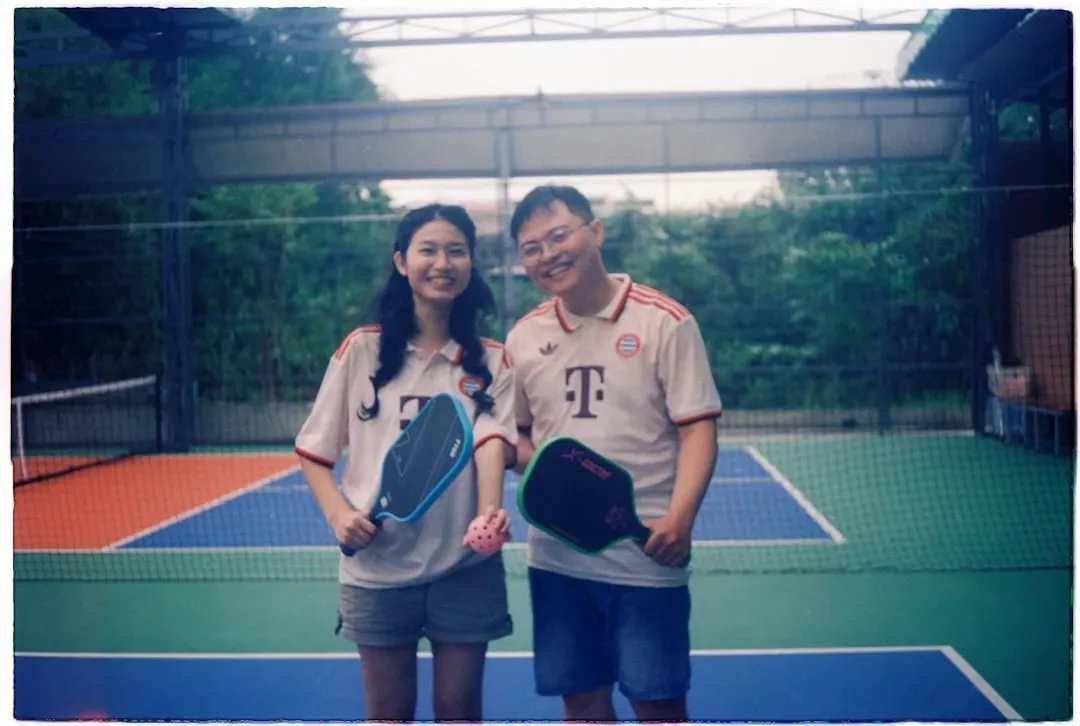
You need four essential pieces of equipment to start playing pickleball: a paddle, pickleballs, court shoes with lateral support, and comfortable athletic clothing. That's it. Everything else, bags, protective gear, specialized grips, can wait until you've played enough to know what you actually need. A beginner can start for $100-150 with basic equipment that will serve them well for their first year of play. (Source: Professional Pickleball Registry, Equipment Guidelines)
Table of Contents
- Understanding Your Pickleball Equipment Needs
- Essential vs Optional Equipment
- Equipment Priorities by Player Type
- Choosing Your Pickleball Paddle: Materials, Weight, and Grip
- Paddle Materials Explained: Graphite vs Carbon Fiber vs Composite
- Finding Your Ideal Paddle Weight and Grip Size
- Court Shoes: The Foundation of Safe, Comfortable Play
- Key Features in Pickleball Court Shoes
- Indoor vs Outdoor Court Shoes
- Pickleballs: Indoor vs Outdoor and Tournament Standards
- Understanding Ball Construction and Performance
- Color Selection and Visibility
- Protective Gear and Injury Prevention Equipment
- Eye Protection and Sun Safety
- Joint Support and Compression Wear
- Apparel: Performance Clothing for Comfort and Movement
- Bags, Storage, and Court Accessories
- Grips, Overgrips, and Paddle Accessories
- Testing Equipment Before Buying: Demo Programs and Return Policies
- Budget Planning and Equipment Upgrade Timeline
The real question isn't what equipment exists, but which pieces matter for your situation. A 62-year-old playing twice weekly at the community center has different needs than someone training for tournaments. This guide will help you identify your player profile and invest in the right equipment at the right time, without wasting money on gear that sits unused in your garage.
Understanding Your Pickleball Equipment Needs
Most new players overthink their equipment purchases. They walk into a sporting goods store overwhelmed by paddle options, or they order everything a YouTube video recommends. Here's the thing: your equipment needs depend entirely on how often you play, your physical considerations, and what you want from the sport.
Start by identifying your player profile. Recreational players (once or twice weekly, primarily social) need reliable basic equipment. Advancing players (3-4 times weekly, working on skills) benefit from mid-tier gear that supports skill development. Frequent players (daily or near-daily, competitive focus) should invest in higher-end equipment that matches their commitment level.
Budget matters, but not the way you might think. Well, the most expensive paddle won't fix a weak serve, and the cheapest shoes will likely cause problems within weeks. The 80/20 rule applies here: spend 80% of your equipment budget on shoes and your paddle, which directly affect performance and injury prevention. (Source: USA Pickleball Association, Equipment Investment Guide) The remaining 20% covers balls, clothing, and accessories.
Essential vs Optional Equipment
Your must-have list is shorter than you'd expect. A paddle ($50-100 for beginners, $100-180 for intermediate players) comes first. Court shoes with lateral support ($60-130) prevent ankle injuries and improve movement. Pickleballs appropriate for your playing environment ($20-30 for a dozen). Moisture-wicking clothing you probably already own.
Everything else is optional initially. Paddle covers protect your investment but aren't urgent. Specialized bags organize gear nicely but a gym bag works fine. Gloves, wristbands, visors, buy them after you've played enough to know if you want them. Many players discover they don't need half the accessories they thought were essential.
A realistic starter budget runs $130-250 total. (Source: National Pickleball Association, Beginner Equipment Standards) That gets you a decent graphite or composite paddle, proper court shoes, and balls to practice with. You can absolutely spend less with sale items or slightly more for better shoes if you have foot or joint concerns, the baseline equipment will serve you through dozens of playing sessions before you need upgrades.
Equipment Priorities by Player Type
Recreational players should prioritize comfort and injury prevention over performance features. A mid-weight paddle (7.8-8.2 oz) with a comfortable grip matters more than the latest carbon fiber technology. Quality shoes with good cushioning protect knees and ankles during casual play. Outdoor balls last longer for driveway practice sessions.
Competitive players need equipment that supports specific skills. Lighter paddles (7.0-7.8 oz) improve reaction time at the net. (Source: International Pickleball Teaching Professional Association) Shoes with enhanced lateral support handle aggressive side-to-side movement. Tournament-approved balls for practice sessions that mirror competition conditions. These players benefit from trying multiple paddle styles before committing.
Fitness-focused players have different priorities entirely. Cushioning in shoes reduces joint stress during longer sessions. Lighter paddles prevent shoulder fatigue when playing for 90 minutes or more. Moisture-wicking clothing and sun protection become more important than performance metrics. I learned this lesson the hard way when I bought a high-end carbon fiber paddle as a beginner, thinking it would accelerate my learning. Instead, the lightweight design felt twitchy in my hands, and I constantly mishit shots because I couldn't feel the ball on the paddle face. Six months later, after switching to a mid-weight composite paddle with a cushioned grip, my consistency improved dramatically and my elbow pain disappeared—turns out I'd been gripping that expensive paddle way too tightly to compensate for its lack of stability. This group often discovers that comfort directly correlates with how often they actually play.
Choosing Your Pickleball Paddle: Materials, Weight, and Grip
Your paddle is the most personal piece of equipment you'll buy. What feels perfect to your doubles partner might feel completely wrong in your hand. The market offers hundreds of options, but they all boil down to three core decisions: material, weight, and grip size.
Essential Pickleball Equipment Starter Budget Breakdown
| Equipment Category | Beginner Price Range | Intermediate Price Range | Priority Level | Why It Matters |
|---|---|---|---|---|
| Paddle | $50-100 | $100-180 | Essential | Directly affects performance & comfort |
| Court Shoes | $60-130 | $90-150 | Essential | Prevents ankle injuries & improves movement |
| Pickleballs (dozen) | $20-30 | $25-40 | Essential | Environment-appropriate play |
| Athletic Clothing | Already owned | Already owned | Essential | Moisture-wicking preferred |
| Paddle Cover | $15-25 | $20-35 | Optional | Protects investment but not urgent |
| Specialized Bag | $30-60 | $50-100 | Optional | Organization convenience |
| Protective Gear/Accessories | $20-50 | $30-80 | Optional | Buy after determining actual needs |
| TOTAL REALISTIC BUDGET | $130-250 | $200-400 | — | Baseline for quality starter equipment |
While baseline costs remain consistent, equipment priorities shift dramatically depending on whether you're a recreational player or competitive athlete.
Pickleball Equipment Priorities by Player Type
| Player Type | Play Frequency | Paddle Weight | Key Priorities | Shoe Focus | Budget Range |
|---|---|---|---|---|---|
| Recreational | 1-2x weekly | 7.8-8.2 oz | Comfort & injury prevention | Good cushioning | $130-250 |
| Advancing | 3-4x weekly | 7.3-7.8 oz | Skill development support | Balanced support & cushioning | $200-400 |
| Competitive | 4+ x weekly | 7.0-7.8 oz | Performance features, reaction time | Enhanced lateral support | $300-600+ |
| Fitness-Focused | Daily or near-daily | 7.0-7.5 oz | Joint protection, endurance | Maximum cushioning | $250-500 |
Paddle dimensions are standardized by USA Pickleball regulations, the combined length and width cannot exceed 24 inches, with length capped at 17 inches (USA Pickleball). Within those constraints, manufacturers create paddles with different sweet spots, surface textures, and weight distributions. The sweet spot is the area of the paddle face that provides the most power and control when striking the ball.
For older players, comfort and injury prevention should drive paddle selection as much as performance. A paddle that causes elbow discomfort after 30 minutes isn't worth owning, regardless of its tournament pedigree. Pay attention to how a paddle feels during extended play, not just during a few test swings in a store.
Paddle Materials Explained: Graphite vs Carbon Fiber vs Composite
Graphite paddles feature a thin graphite face over a honeycomb core. They're lightweight (typically 7.0-7.8 oz), responsive, and offer excellent touch for soft shots at the net. The harder surface generates less power than other materials but provides precise control. Prices range from $60-150 for quality graphite paddles. They're ideal for players who rely on placement over power or those with shoulder concerns.
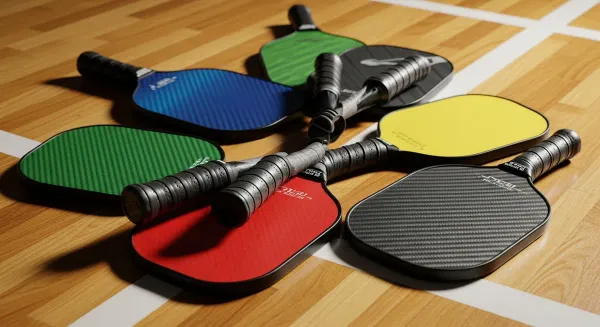
Carbon fiber paddles represent newer technology with a woven carbon surface. They deliver more power than graphite while maintaining good control, though they cost more ($120-250). The surface texture helps generate spin on serves and returns. Carbon fiber appeals to advancing players who want performance features without excessive weight.
Composite paddles use fiberglass or polymer faces over various core materials. They're the most forgiving option for beginners, offering a larger sweet spot and good power at lower price points ($50-120). The softer surface absorbs vibration better than graphite, which some players find more comfortable. Composite paddles typically weigh 7.8-8.5 oz, providing stability without requiring perfect technique.
Honestly, the "best" material depends on your playing style and physical considerations. Graphite suits finesse players and those with joint issues. Carbon fiber works for aggressive baseliners who want power with control. Composite serves beginners well and remains viable for recreational players indefinitely. "The paddle face material is probably the single most important factor in determining how a paddle performs," says Sarah Ansboury, former professional pickleball player and IPTPA-certified instructor. "Graphite gives you finesse and control, composite gives you power and forgiveness, while carbon fiber tries to give you the best of both worlds." The material matters less than finding a paddle that feels like a natural extension of your arm.
Finding Your Ideal Paddle Weight and Grip Size
Paddle weight significantly affects your game and your body. Lighter paddles (7.0-7.6 oz) improve reaction time and reduce shoulder strain during long sessions, but they offer less stability on hard shots and may require more arm strength to generate power. Heavier paddles (8.0-8.5 oz) provide more power and stability but can fatigue your shoulder and elbow, especially if you're playing multiple days weekly.
Most players over 55 do best with mid-weight paddles (7.6-8.0 oz). This range offers a practical balance between power and control without excessive strain. If you have existing shoulder, elbow, or wrist issues, lean toward the lighter end. If you prefer a steadier feel and don't mind the extra weight, go slightly heavier.
Grip size matters more than most beginners realize. Measure from the middle crease of your palm to the tip of your ring finger, that measurement in inches approximates your ideal grip circumference. Most paddles come in 4-inch to 4.5-inch circumferences. Too small causes you to squeeze harder, leading to tennis elbow. Too large reduces control and can strain your wrist.
You can add overgrip tape to increase grip size by about 1/16 inch per layer, but you can't easily reduce an oversized grip. When in doubt, buy slightly smaller and add grip tape to customize. The grip should feel secure without requiring a tight squeeze, and your fingers shouldn't touch your palm when holding the paddle. These details prevent overuse injuries that sideline many older players.
Court Shoes: The Foundation of Safe, Comfortable Play
Your shoes matter more than any other equipment purchase. Period. The wrong shoes cause ankle sprains, knee pain, and falls that could end your pickleball journey before it really starts. Research shows lower extremity injuries are the most common in pickleball, with players aged 60 and older facing higher fracture risk (NCBI study on pickleball injuries).
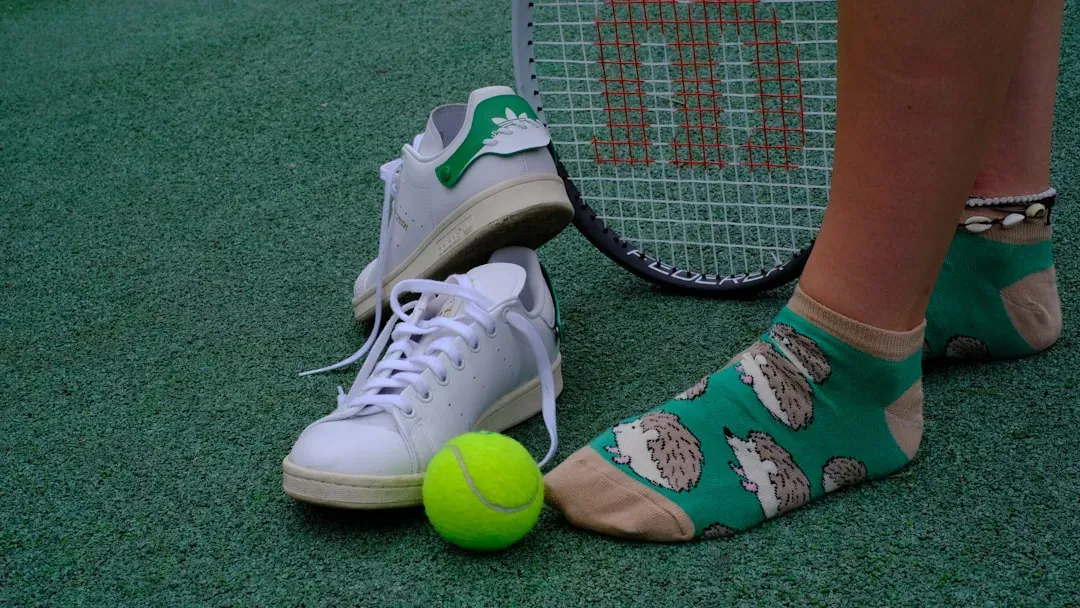
Running shoes seem like they should work, they're athletic shoes, after all. But running shoes are designed for forward motion with cushioned heels, not the rapid lateral movements and quick stops that define pickleball. The heel cushioning actually destabilizes you during side-to-side movement, and the tread pattern doesn't provide proper grip on court surfaces.
Court-specific shoes address the biomechanics of pickleball. They feature flatter soles for stability, reinforced sides for lateral support, and tread patterns designed for quick direction changes. The National Institute on Aging emphasizes that balance activities and proper footwear help prevent falls in older adults (NIA guidance on physical activity), making shoe selection a health decision, not just a performance choice.
Key Features in Pickleball Court Shoes
Lateral support is the most critical feature. Look for shoes with reinforced sides and a wider base that prevents ankle rolling during quick lateral movements. The midsole should be firm enough to provide stability but cushioned enough to absorb impact, a tricky balance that separates quality court shoes from cheap alternatives.
Cushioning systems vary by brand. Some use gel inserts, others use foam technology or air pockets. What matters is adequate shock absorption without feeling mushy or unstable. If you have knee or hip issues, prioritize cushioning. If you have ankle instability, prioritize a firmer, more supportive platform.
Toe drag protection extends shoe life significantly. Pickleball players drag their toes during certain shots, wearing through standard athletic shoes in weeks. Quality court shoes feature reinforced toe caps or durable rubber overlays in high-wear areas. This feature alone justifies spending $90-130 instead of $50 on generic athletic shoes.
Non-marking soles are required on most indoor courts and preferred on outdoor courts. The rubber compound should provide excellent traction without leaving black streaks. Tread patterns with herringbone or modified herringbone designs offer the best grip for multi-directional movement. Deep treads work better outdoors, while flatter patterns suit indoor courts.
Indoor vs Outdoor Court Shoes
Indoor court shoes feature gum rubber soles with flatter tread patterns optimized for smooth gym floors. They provide excellent grip on indoor surfaces but wear quickly on rough outdoor courts. The lighter weight and lower profile improve court feel and responsiveness.
Outdoor court shoes use more durable rubber compounds and deeper tread patterns to handle textured concrete or asphalt surfaces. They're typically more substantial with additional protective features, which adds weight but extends durability. The trade-off is slightly less court feel compared to indoor shoes.
Do you need both? Not necessarily. If you play primarily in one environment, buy shoes optimized for that surface. If you split time between indoor and outdoor courts, start with outdoor shoes, they work reasonably well on both surfaces, though they'll feel slightly heavier indoors. Dedicated indoor players should stick with indoor shoes for the best performance and comfort.
Pickleballs: Indoor vs Outdoor and Tournament Standards
Pickleballs seem simple until you start shopping. The balls you see at sporting goods stores come in different colors, hole patterns, and hardness levels. These differences significantly affect how the ball plays, how long it lasts, and whether you'll even see it clearly against various court backgrounds.
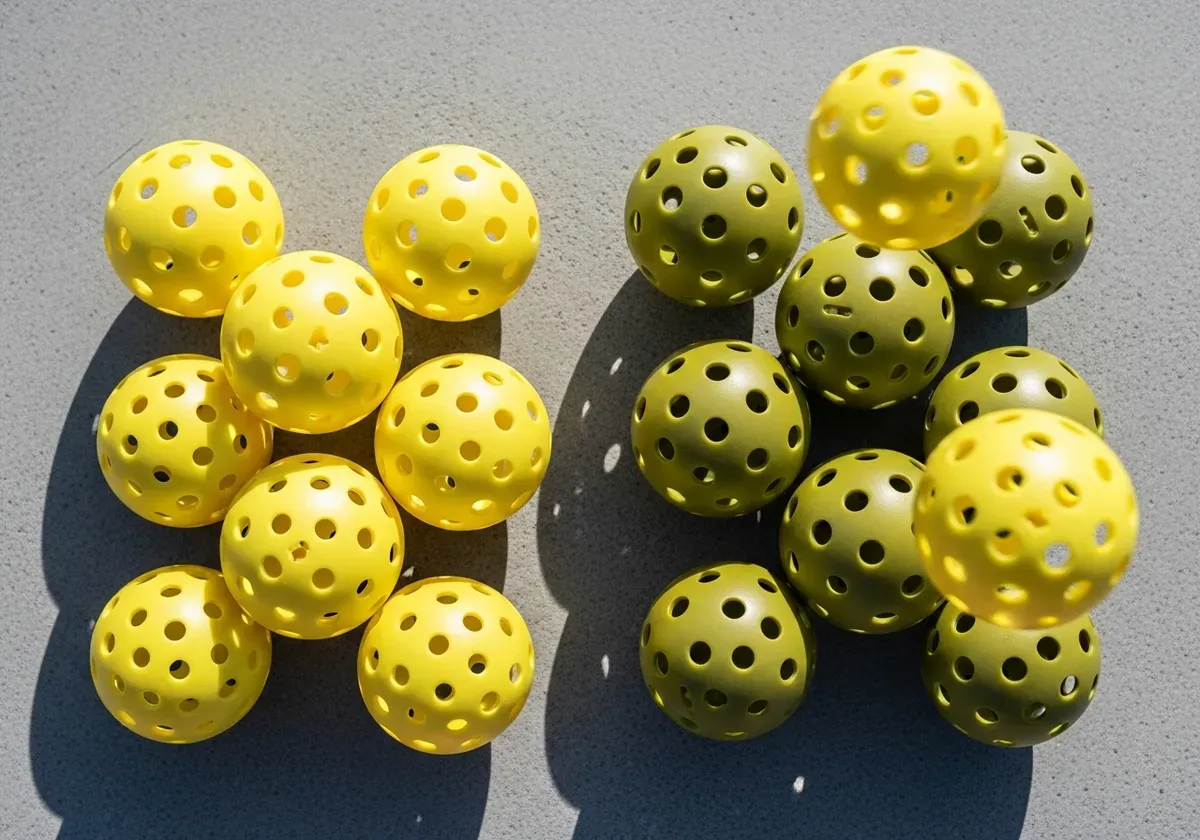
Indoor and outdoor balls aren't interchangeable. Outdoor balls feature 40 smaller holes, harder plastic, and slightly more weight to handle wind and rough court surfaces. Indoor balls have 26 larger holes, softer plastic, and less weight for controlled play on smooth gym floors. Using outdoor balls indoors creates excessive noise and unpredictable bounces. Using indoor balls outdoors means they'll crack within a few sessions.
Understanding Ball Construction and Performance
Hole count affects everything about how a ball plays. The 40-hole pattern in outdoor balls creates more air resistance, which ironically makes them more stable in wind. The smaller holes also strengthen the ball structure, helping it withstand impacts on rough surfaces. These balls produce a sharper, louder sound on contact.
The 26-hole pattern in indoor balls allows for softer play with more control. The larger holes make the ball slightly less durable but perfectly suited for smooth indoor courts. Indoor balls play slower and quieter, which many recreational players prefer regardless of where they're playing.
Plastic hardness and weight vary between manufacturers even within indoor or outdoor categories. Harder balls last longer but feel less forgiving on mishits. Softer balls offer better control but crack sooner. Weight differences of just a few grams affect how the ball carries through the air and responds to spin. USA Pickleball's 2024 equipment specifications require outdoor balls to weigh between 0.78 and 0.935 ounces with a bounce height of 30-34 inches when dropped from 78 inches, while indoor balls must meet the same weight range but typically bounce 2-3 inches lower due to their softer construction. Testing by the International Pickleball Teaching Professional Association in 2023 found that outdoor balls maintain structural integrity through an average of 8-12 hours of play on concrete courts, compared to 15-20 hours for indoor balls on gym floors. The hardness difference is measurable: outdoor balls register 40-45 on the Shore D durometer scale, while indoor balls measure 35-40, directly affecting both durability and the characteristic sound difference players notice between venues. Most players can't articulate these differences but definitely feel them during play.
Color Selection and Visibility
Ball color matters more as we age. Yellow remains the most popular choice because it contrasts well against most backgrounds. But green courts make yellow balls harder to track. Bright orange or neon green balls offer better visibility for players with reduced contrast sensitivity, a common age-related vision change.
Court background determines ideal ball color. On blue or green courts, orange balls stand out clearly. On gray or beige courts, yellow or bright green works best. Some facilities require specific colors to reduce confusion when multiple games run simultaneously. To be fair, buying a variety of colors ($20-30 per dozen) lets you adapt to different playing environments.
Replace balls when they crack, lose their round shape, or develop soft spots. Outdoor balls typically last 3-6 hours of play before cracking. Indoor balls can last 10-15 hours but lose their bounce gradually. Tournament-approved balls meet USA Pickleball standards for size, weight, and bounce characteristics, making them ideal for serious practice even if you never compete in tournaments.
Protective Gear and Injury Prevention Equipment
Protective gear isn't about being overly cautious, it's about playing consistently without setbacks. Research documenting a 3.4-fold increase in pickleball injuries from 2014-2021 (NCBI epidemiology study) reflects the sport's growth but also highlights real injury risks, particularly for older players who face higher fracture rates than younger players.
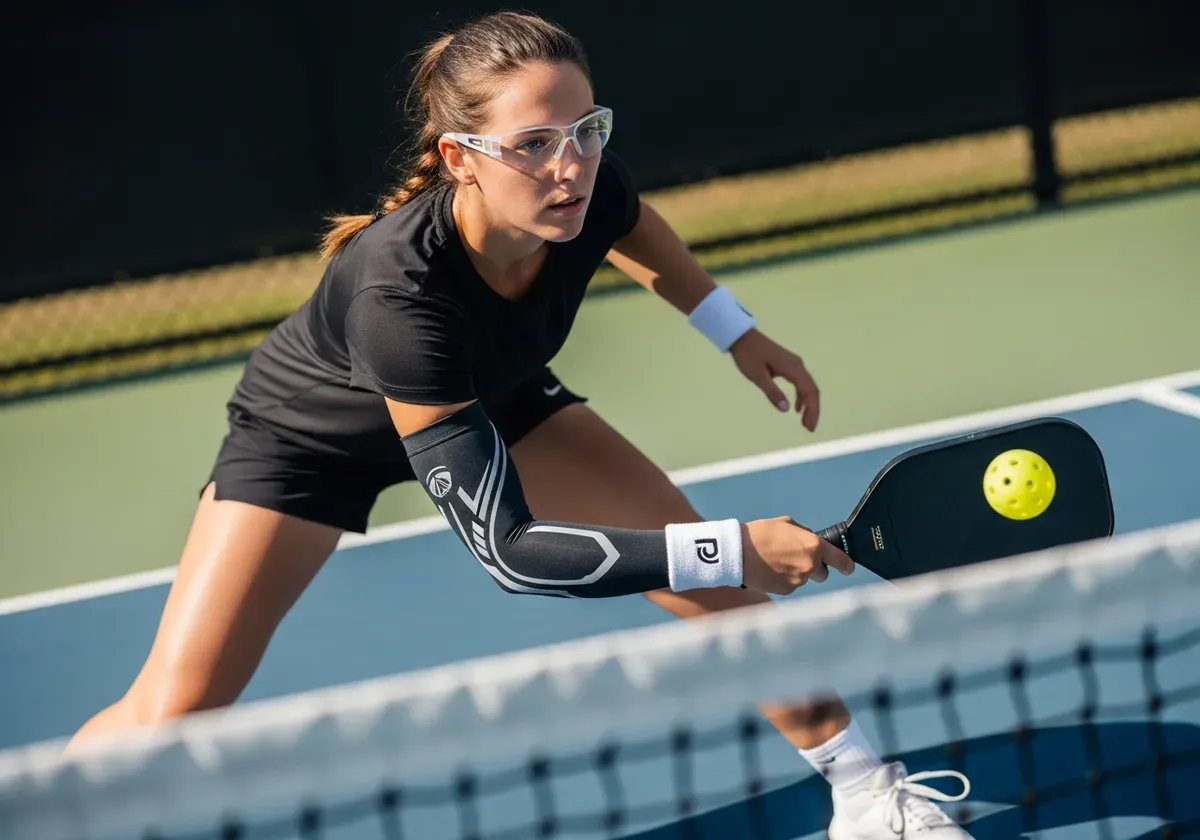
The CDC recommends that adults 65 and older prioritize activities that improve balance while taking precautions against falls (CDC physical activity guidelines). Protective gear serves both functions, it prevents injuries from falls and impacts while building confidence that improves your movement and balance on court.
Not everyone needs every protective item. A 58-year-old with no health concerns playing twice weekly needs less protection than a 70-year-old with osteoporosis playing daily. Assess your individual risk factors: bone density, previous injuries, medication that affects balance or bruising, and how aggressively you play.
Eye Protection and Sun Safety
Eye injuries from pickleball impacts are rare but serious. Impact-resistant eyewear (meeting ASTM F803 standards for racquet sports) provides protection without restricting vision. If you wear prescription glasses, look for sports frames with polycarbonate lenses or wear protective sports goggles over contact lenses.
UV protection becomes crucial for outdoor play. Prolonged sun exposure during pickleball sessions increases cataract and macular degeneration risk. Wraparound sunglasses with UV400 protection block harmful rays while improving ball visibility by reducing glare. Polarized lenses help some players track the ball better but can make it harder to judge distance for others, try before committing.
Photochromic lenses that darken in sunlight offer versatility if you transition between indoor and outdoor courts. They eliminate the need to switch glasses but cost more ($100-200 for quality sports frames). Standard sports sunglasses run $30-80 for adequate protection. Worth every penny.
Joint Support and Compression Wear
Knee braces or sleeves provide stability if you have existing knee issues or previous injuries. Compression sleeves improve proprioception (your awareness of joint position) without restricting movement. Full braces with hinges offer maximum support but feel bulkier. Start with a simple compression sleeve unless your doctor recommends more substantial bracing.
Elbow sleeves help prevent or manage tennis elbow, a common overuse injury in pickleball. The compression improves blood flow and provides warmth to the joint. Look for sleeves with targeted compression around the elbow rather than uniform compression along the entire forearm. They should feel snug but not restrict circulation.
Wrist supports stabilize the joint during repeated paddle swings and can prevent wrist strain. They're particularly helpful if you have arthritis or previous wrist injuries. Choose supports that allow normal paddle grip while limiting extreme flexion and extension movements that stress the joint.
Apparel: Performance Clothing for Comfort and Movement
You don't need specialized pickleball clothing to start playing. Comfortable athletic wear you already own works fine initially. But as you play more frequently, performance fabrics and proper fit make noticeable differences in comfort and temperature regulation.
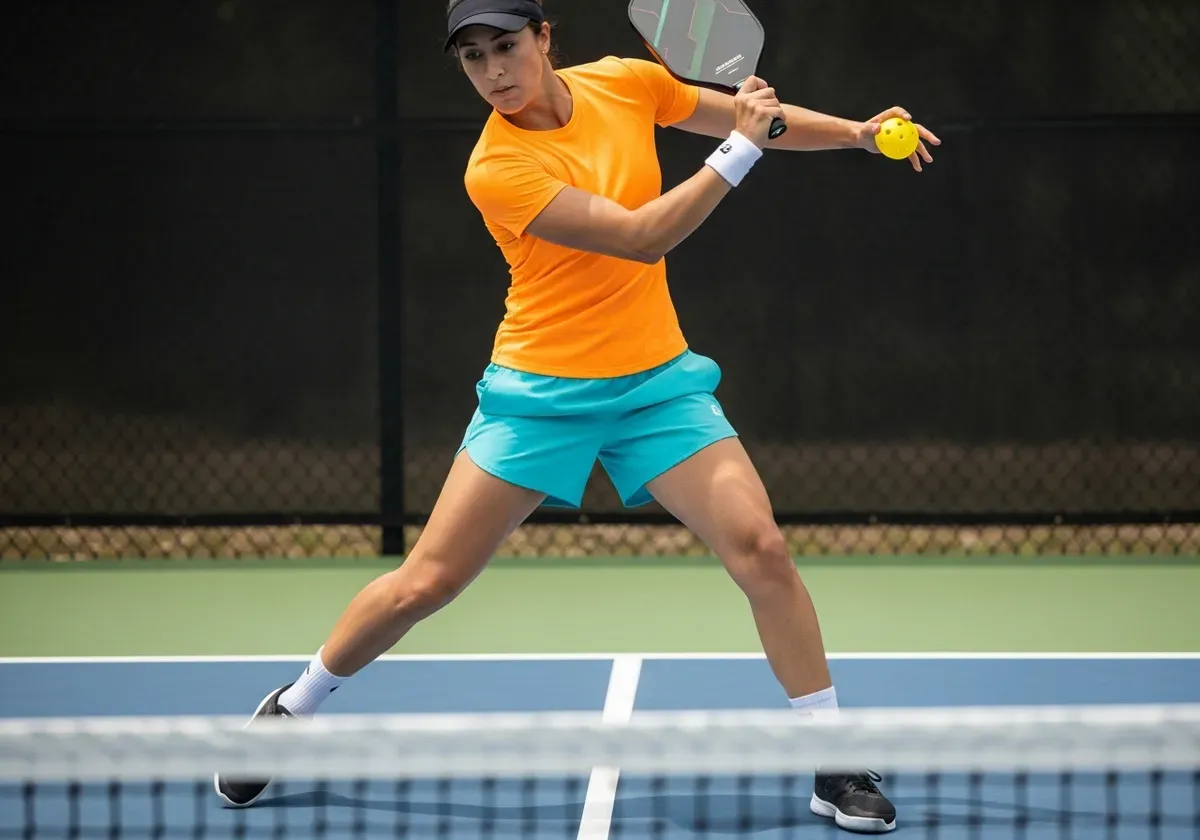
Moisture-wicking fabrics pull sweat away from your skin, helping you stay cooler and preventing chafing during longer sessions. Look for polyester, nylon, or specialized blends rather than cotton, which absorbs moisture and stays wet. Shirts with mesh panels improve ventilation in high-sweat areas like the back and underarms.
Fit matters for movement. Tops should allow full range of motion for overhead shots without riding up. Shorts or skorts need pockets large enough for balls, most pickleball-specific designs include two deep pockets. Length is personal preference, but shorter lengths (5-7 inch inseams) don't restrict lunging movements as much as longer shorts.
Sun protection clothing with UPF ratings blocks harmful UV rays more effectively than sunscreen alone. Long-sleeve shirts and pants with UPF 50+ ratings are worth considering if you play outdoors regularly. They're cooler than you'd expect and eliminate the need to reapply sunscreen constantly.
Bags, Storage, and Court Accessories
A dedicated pickleball bag organizes your gear and protects your equipment, but it's not essential initially. A gym bag or small duffel works fine until you accumulate enough gear to justify a specialized bag. When you do upgrade, look for bags with specific features that match how you play and travel.
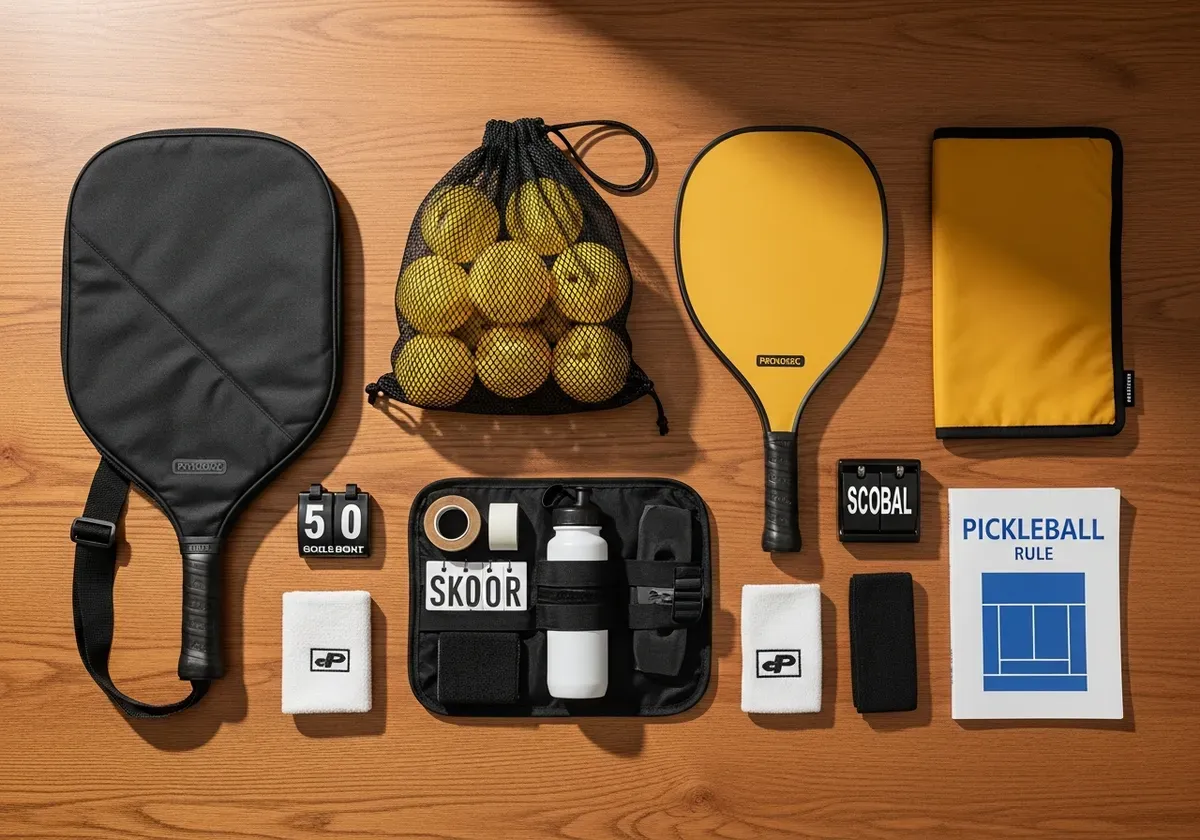
Paddle compartments with padding protect your investment from dings and scratches. Some bags hold two paddles, others accommodate four or more for players who bring extras or play with family. Separate compartments for shoes keep dirt away from other gear. Ventilated shoe pockets allow wet or sweaty shoes to air out.
Backpack-style bags distribute weight evenly across both shoulders, which matters if you walk or bike to courts. Duffel-style bags with shoulder straps offer more capacity but can feel lopsided when fully loaded. Wheeled bags work well if you have a lot of gear or prefer not to carry weight, though they're overkill for most recreational players.
Court accessories enhance practice and play. Portable nets ($150-400) let you practice anywhere with a flat surface. Ball hoppers ($25-40) collect balls efficiently during drilling sessions. Scoreboards ($15-30) prevent arguments about the score during recreational games. Wall-mounted paddle racks ($25-50) keep paddles organized at home and prevent warping from improper storage.
Grips, Overgrips, and Paddle Accessories
Your paddle's grip directly affects comfort, control, and injury prevention. Most paddles come with basic grips that work adequately but can be improved with overgrips or complete grip replacements. Understanding grip options helps you customize your paddle for optimal feel and performance.
Replacement grips completely replace the original grip material. They're thicker than overgrips (typically 1.5-2mm) and provide more cushioning. Use replacement grips when the original grip is worn out or when you want to significantly change grip size or feel. Installation requires removing the old grip completely, which takes 10-15 minutes.
Overgrips are thin wraps (0.5-1mm) applied over the existing grip. They improve tackiness, absorb moisture, and slightly increase grip size. Most players replace overgrips every 2-4 weeks depending on playing frequency and hand moisture. They cost $3-8 each and take five minutes to install, making them practical for regular maintenance.
Grip texture affects control and comfort. Tacky grips provide maximum control but can feel sticky in hot weather. Cushioned grips absorb vibration and feel softer but may reduce tactile feedback. Perforated grips improve ventilation and moisture management for players with sweaty hands. Try different textures to find what works for your hands and climate.
Edge guard tape protects your paddle's edge from chips and scrapes when it contacts the court. Most paddles include edge guards, but they wear out with use. Replacement edge guard tape ($8-15) extends paddle life and maintains structural integrity. It's purely functional rather than performance-enhancing.
Testing Equipment Before Buying: Demo Programs and Return Policies
Buying equipment sight unseen or based solely on online reviews is risky, especially for paddles where personal preference matters enormously. Smart players test equipment before committing to purchases. Several options let you try before you buy, reducing the chance of expensive mistakes.
Demo programs from manufacturers and retailers let you test paddles for a few days to several weeks. Some charge demo fees ($15-25) that apply toward purchase. Others offer free demos if you buy from them. Paddle manufacturers including Selkirk, Paddletek, and Engage run demo programs shipping multiple paddles for testing periods.
Local pickleball clubs often maintain demo paddle collections members can borrow. This costs nothing beyond membership dues and gives you access to dozens of paddle options. You can test paddles during actual games rather than just hitting balls against a wall, providing realistic performance feedback.
Return policies vary widely. Online retailers typically offer 30-day returns, but some charge restocking fees (15-20%) for used equipment. Manufacturer direct purchases often have better return terms, sometimes including free return shipping. Read return policies carefully before buying, testing a paddle for one session and returning it if it doesn't work saves money compared to keeping equipment you never use.
What to test during demos: comfort during extended play (30+ minutes), vibration on mishits, control on soft shots, power on drives, and whether the grip size feels right throughout a full session. Last summer, I borrowed three different paddles from my club's demo rack over two weeks, playing full games with each one. The first paddle felt great hitting balls during warm-up but turned out to be too head-heavy for quick volleys during actual play—something I never would have discovered by just smacking balls against a wall in a store. That hands-on testing saved me from making a $150 mistake, and I eventually found a paddle that felt like an extension of my arm during real match conditions. Your initial impression during five minutes of hitting may differ completely from how the paddle feels after an hour of play. Give each paddle a fair trial.
Budget Planning and Equipment Upgrade Timeline
Equipment spending should align with your commitment level and playing frequency. Buying tournament-level gear before you know whether you'll stick with pickleball wastes money. Conversely, replacing cheap beginner equipment too soon because you didn't invest adequately initially also wastes money. Strategic planning prevents both extremes.
A reasonable first-year budget runs $200-400 total. This includes a starter paddle ($60-100), quality court shoes ($80-130), balls ($25-40), basic clothing you probably own, and minimal accessories. This investment serves recreational players indefinitely and advancing players through their first 6-12 months.
Year two upgrades depend on playing frequency. Players continuing at 1-2 times weekly may never need equipment upgrades beyond replacing worn shoes and balls. Players increasing to 3+ times weekly typically upgrade paddles ($120-180) around month 6-12 when they understand their playing style and preferences. Shoes need replacing every 6-12 months for frequent players.
Signs you need equipment upgrades: your paddle feels dead (reduced pop and response), your shoes have worn tread or compressed cushioning, you're experiencing new joint pain that wasn't present initially, or your skill level has clearly surpassed your equipment capabilities. Don't upgrade just because newer models exist, upgrade when your current equipment limits your play or comfort.
Budget-stretching strategies work well for recreational players. Buy previous-year paddle models at 20-40% discounts when new versions release. Purchase balls in bulk (5-10 dozen) for significant savings if playing partners split orders. Shop end-of-season sales for clothing and accessories. Join club demo programs instead of buying multiple paddles to test.
What's worth spending more on: shoes and paddles. These directly impact injury prevention and play enjoyment. A $130 pair of quality shoes prevents a $5,000 injury and months of recovery. A $150 paddle you love encourages regular play, while a $60 paddle that feels wrong sits unused.
What's not worth premium pricing: balls (mid-range perform similarly to premium), bags (organization matters more than brand names), most accessories (basic versions perform as well as expensive ones), and clothing beyond moisture-wicking basics (the $80 "performance" shirt won't help you play better than the $25 version).
The goal isn't minimal or maximal spending, it's appropriate spending that supports your playing goals while respecting your budget. Equipment should enhance your pickleball experience, not cause financial stress or buyer's remorse. Buy what you need when you need it, test before committing to expensive purchases, and replace items when worn, not when newer versions appear.
Related Articles
- Best Pickleball Paddles: Reviews and Buying Guide
- Pickleball Paddle Grip Guide: Tape, Sizing, and Customization
- Pickleball Ball Machines: Training Equipment Buyer's Guide
- Pickleball vs Tennis Rackets: Understanding the Differences
- Pickleball Lessons Near You: Finding the Right Instructor
Frequently Asked Questions
What's the minimum amount I need to spend to start playing pickleball?
You can start playing pickleball for $100-150 with basic equipment: a beginner paddle ($50-100), court shoes ($60-130), and pickleballs ($20-30). This starter setup will serve you well for your first year of play without needing upgrades.
Should I buy expensive equipment as a beginner?
No. Beginners should focus on the essentials—a reliable paddle and proper court shoes—rather than premium gear. The most expensive paddle won't improve your serve, and you'll discover which accessories you actually need after playing for a few weeks.
What's the difference between indoor and outdoor pickleballs?
The article mentions that outdoor balls last longer for driveway practice sessions, suggesting they're more durable. Indoor and outdoor balls have different construction and performance characteristics, so you should choose based on where you primarily play.
How much should I spend on shoes versus my paddle?
Apply the 80/20 rule: spend 80% of your equipment budget on shoes and your paddle, as these directly affect performance and injury prevention. The remaining 20% covers balls, clothing, and accessories.
Do I need protective gear like eye protection and compression wear right away?
No. Protective gear is optional initially. Focus first on essential equipment—paddle, shoes, and balls. Add protective gear like eye protection and compression wear after you've played enough to understand your specific needs.
What paddle weight should a recreational player choose?
Recreational players should choose a mid-weight paddle (7.8-8.2 oz) that prioritizes comfort and injury prevention over performance features. This weight range is easier to control for casual, social play.
Can I use equipment I already own, like a gym bag or regular athletic shoes?
You can use a gym bag for storage initially, but don't use regular athletic shoes—court shoes with lateral support are essential for ankle injury prevention and proper movement. Moisture-wicking clothing you already own is fine.
When should I upgrade my beginner equipment?
The article suggests upgrading after you've played enough to identify your specific needs and player profile. Beginners typically get a full year of use from basic equipment before needing upgrades.