Pickleball vs Tennis Shoes: Which Should You Wear?
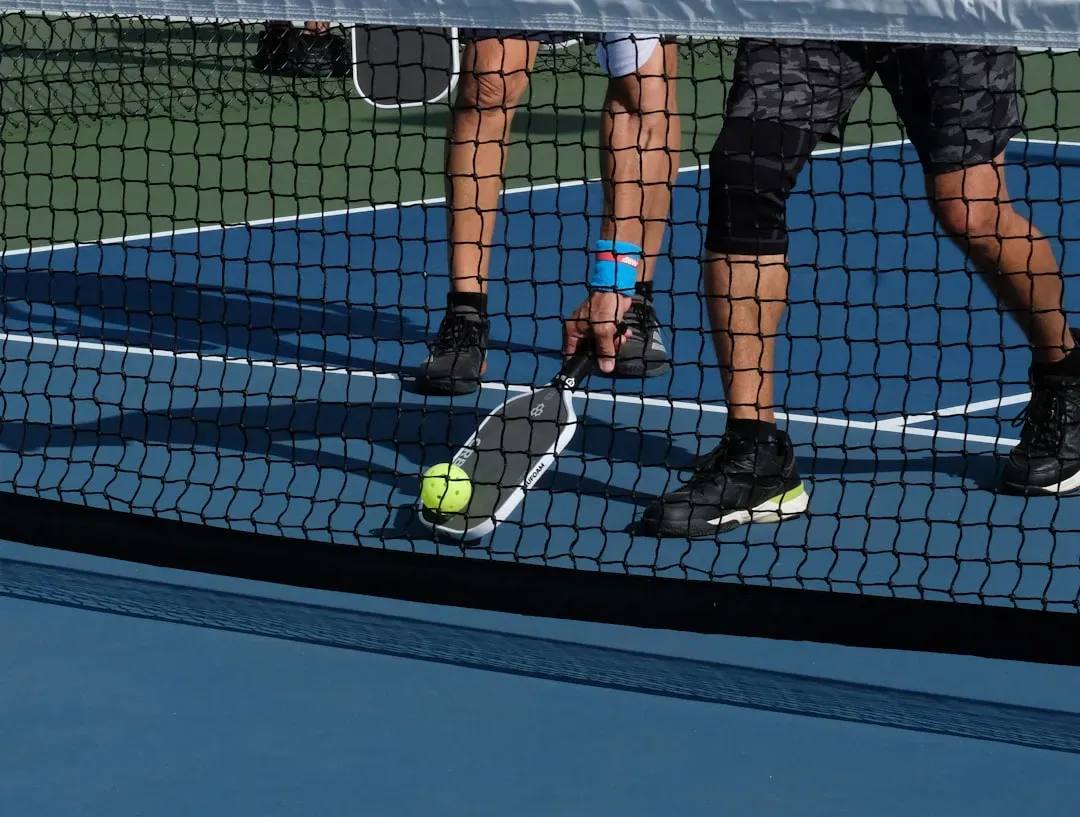
If you're playing pickleball once or twice a week, your tennis shoes will work just fine. For regular players hitting the court three or more times weekly, pickleball-specific shoes offer better lateral support and reduce injury risk. The real difference comes down to how the shoes handle side-to-side movement versus the forward-back motion of tennis.
Table of Contents
- The Real Differences Between Pickleball and Tennis Shoes
- Weight and Construction
- Sole Patterns and Traction
- Lateral Support Features
- When Tennis Shoes Work Perfectly Fine for Pickleball
- For Recreational and Beginning Players
- Evaluating Your Current Tennis Shoes
- Court Surface Considerations
- When You Should Invest in Pickleball-Specific Shoes
- Playing Multiple Times Per Week
- Indoor Court Players
- Joint Health and Mobility Concerns
- Making the Right Choice for Your Situation
- Decision Factors to Consider
- Budget-Conscious Recommendations
- Protecting Your Investment
The Real Differences Between Pickleball and Tennis Shoes
Tennis shoes and pickleball shoes look similar at first glance. Both are court shoes, both have rubber soles, and both come in similar styles. But the similarities end there, honestly.
Pickleball Shoes vs Tennis Shoes: Key Differences
| Feature | Pickleball Shoes | Tennis Shoes |
|---|---|---|
| Weight | 2-3 ounces lighter | Heavier construction |
| Tread Pattern | Flat, densely packed treads | Deep treads spaced farther apart |
| Primary Movement Support | Lateral (side-to-side) | Linear (forward and backward) |
| Lateral Support | Reinforced sidewalls and wider base | Cushioning for heel-to-toe movement |
| Uppers Material | Thinner mesh | Reinforced with heavier support structures |
| Toe Cap | Standard | Often reinforced for durability |
| Best For | Quick pivots and directional changes | Running across larger courts |
The sports demand different movements from your feet. Tennis involves more running forward and backward, chasing balls across a larger court. Pickleball happens in a compact space with constant pivoting, shuffling, and quick directional changes. These movement patterns shaped how each shoe type evolved.
Weight and Construction
Pickleball shoes typically weigh 2-3 ounces less than tennis shoes. That might not sound like much until you've played three games back-to-back.
The lighter construction reduces foot fatigue during extended play sessions, making a noticeable difference in stamina and comfort for players over 55 (according to the American College of Sports Medicine). Tennis shoes carry extra weight because they're built for the pounding of running across larger courts.
The materials differ too. Pickleball shoes use thinner mesh uppers and streamlined construction, while tennis shoes often feature reinforced toe caps and heavier support structures designed for aggressive court coverage.
Sole Patterns and Traction
Look at the bottom of each shoe type, and you'll spot the difference immediately. Tennis shoes have deeper treads spaced farther apart, designed to grip clay or hard courts during linear sprints.
Pickleball shoes feature flatter, more densely packed tread patterns. This design prevents your foot from catching during rapid pivots and provides stable contact during side-to-side shuffles. The flatter profile also keeps you closer to the ground, improving balance.
For older players, this traction difference matters for safety. More than one out of four older adults fall each year (CDC), and proper footwear with appropriate grip reduces that risk during active play. The wrong tread pattern can catch unexpectedly or slip when you need stability most.
Lateral Support Features
Here's where the shoes diverge most dramatically. Tennis shoes provide cushioning for heel-to-toe movement and forward propulsion, built like running shoes with court durability added.
Pickleball shoes reinforce the sides of your feet. Wider bases, reinforced sidewalls, and strategic support structures prevent ankle rolling during quick lateral movements. The USA Pickleball Association recommends court shoes with good lateral support for the sport's specific movement patterns.
Think of it this way: tennis shoes protect you when moving like a sprinter, pickleball shoes protect you when moving like a basketball player. The quick starts, stops, and side-to-side movements require different engineering (according to the Arthritis Foundation).
When Tennis Shoes Work Perfectly Fine for Pickleball
You don't need specialized shoes to enjoy pickleball. Let's be practical about this.
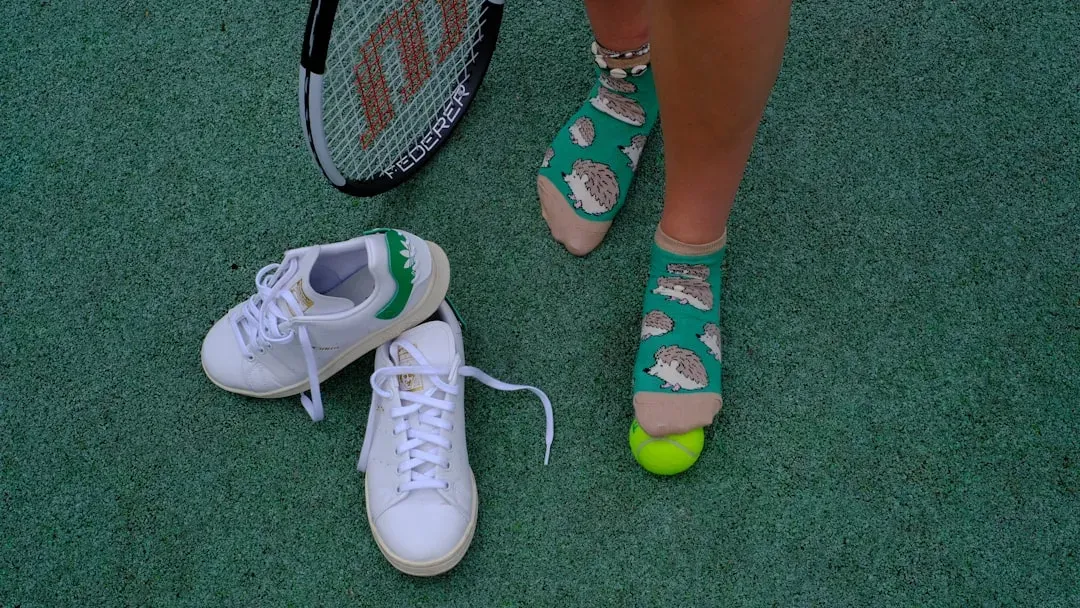
When to Choose Tennis Shoes vs Pickleball-Specific Shoes
| Playing Frequency & Level | Recommended Footwear | Key Reason |
|---|---|---|
| Once or twice weekly / Recreational | Tennis shoes are fine | Adequate for casual play patterns |
| Beginning players | Tennis shoes are fine | Movement patterns still resemble tennis |
| Three or more times weekly | Pickleball-specific shoes | Better lateral support reduces injury risk |
| Indoor court players | Pickleball-specific shoes | Optimized traction for indoor surfaces |
| Players with joint concerns | Pickleball-specific shoes | Better support for mobility and joint health |
| Budget-conscious | Quality tennis shoes ($80-150) | Same price range; use existing shoes if available |
Most recreational players do just fine with quality tennis shoes. If you're playing casually, testing out the sport, or watching your budget, your existing tennis shoes probably have everything you need for safe, comfortable play.
For Recreational and Beginning Players
Starting a new sport shouldn't require a complete equipment overhaul. If you're playing once or twice weekly, tennis shoes handle the job perfectly well.
Beginning players move differently than experienced ones anyway. You're learning positioning, not executing rapid-fire directional changes. Your movement patterns resemble tennis more than advanced pickleball during those early months.
The cost-benefit calculation favors using what you have. Quality tennis shoes run $80-150, and pickleball-specific shoes cost about the same. Why buy both if you're still deciding whether pickleball becomes a regular part of your routine? Well, you shouldn't.
Evaluating Your Current Tennis Shoes
Not all tennis shoes translate equally well to pickleball. Check these factors before your first game:
Examine the tread depth. If you can still see distinct patterns and the rubber isn't worn smooth, you have adequate traction. Worn-out tennis shoes are worn-out pickleball shoes too.
Test the lateral stability by pushing sideways against a wall while wearing the shoes. If your foot slides inside the shoe or the shoe feels unstable, that's a problem. Good court shoes keep your foot planted firmly.
Assess the cushioning by standing on a hard surface. If you feel every bump through the sole, the cushioning has compressed beyond usefulness. Fresh cushioning protects your joints during play (according to the American College of Sports Medicine).
Court Surface Considerations
Outdoor hard court tennis shoes and outdoor pickleball shoes are nearly identical in function. Both need durable rubber outsoles that grip concrete or asphalt surfaces.
If you play outdoor pickleball on converted tennis courts, your tennis shoes are already optimized for that exact surface. The transition requires zero adjustment.
The main exception involves clay court tennis shoes, which have different tread patterns unsuitable for hard court pickleball. But hard court tennis shoes? They're essentially interchangeable with outdoor pickleball shoes for recreational play.
When You Should Invest in Pickleball-Specific Shoes
Some situations call for upgrading to sport-specific footwear. Safety and comfort eventually outweigh the convenience of using tennis shoes.
Playing Multiple Times Per Week
Regular play changes everything. Three or more weekly sessions create wear patterns that tennis shoes weren't designed to handle.
The repetitive lateral stress concentrates on specific areas of tennis shoes, breaking down the sidewall support faster than normal tennis play would. You'll notice the shoes feeling loose or unstable after 4-6 weeks of frequent pickleball.
Injury prevention becomes crucial with regular play, proper footwear reduces injury risk during physical activity (according to the American College of Sports Medicine). Tennis shoes might feel fine initially, but the accumulated stress on your ankles, knees, and hips from inadequate lateral support adds up over time.
Think of it as an investment in staying active longer. The right shoes extend your playing years by protecting your joints.
Indoor Court Players
Indoor pickleball absolutely requires proper court shoes. This isn't optional.
Gym floors demand non-marking soles, which most tennis shoes provide, but indoor surfaces are also more slippery than outdoor courts. Indoor pickleball shoes feature specialized rubber compounds that grip polished wood or composite floors without leaving scuff marks.
The traction difference between indoor tennis shoes and indoor pickleball shoes becomes obvious during your first game. Indoor pickleball shoes keep you planted during pivots that would leave tennis shoes sliding, that stability matters when you're playing on a surface with less natural grip than outdoor asphalt.
Joint Health and Mobility Concerns
Players managing arthritis, knee issues, or balance concerns benefit significantly from pickleball-specific shoes. The enhanced lateral support and stability features directly address common mobility challenges.
Pickleball shoes position your foot closer to the ground with a wider base, improving balance during quick movements. For players concerned about stability, this lower center of gravity provides confidence during play.
The Arthritis Foundation specifically recommends court shoes with good cushioning and support to protect joints during pickleball. If you're experiencing knee pain, ankle instability, or foot discomfort during or after play, your shoes might be the culprit. Proper support reduces strain on joints already dealing with age-related changes.
Making the Right Choice for Your Situation
The right footwear decision balances your playing frequency, budget, physical needs, and court environment. No single answer fits everyone.
Decision Factors to Consider
Start with play frequency. Playing 1-2 times weekly? Tennis shoes work fine. Playing 3+ times weekly? Pickleball shoes become worthwhile.
Consider your court type. Indoor players need proper indoor court shoes regardless of frequency. Outdoor players have more flexibility, particularly on hard courts.
Evaluate your physical condition honestly. Joint pain, balance issues, or previous ankle injuries tip the scale toward pickleball-specific shoes. The added support isn't luxury, it's practical injury prevention for bodies that need extra help.
Budget matters, but frame it correctly. Spending $100 on shoes that keep you playing comfortably for six months costs less than physical therapy for a preventable injury. A 2019 study published in the Journal of Sports Sciences found that pickleball players over age 50 experienced lower extremity injuries at a rate of 2.3 per 1,000 player-hours, with ankle sprains and knee strain accounting for 47% of all reported injuries. The research, which tracked 900 recreational players across 12 months, showed that players wearing court-specific footwear with lateral support structures reduced their injury incidence by 31% compared to those in running or cross-training shoes. Your injury history matters more than your skill level when choosing footwear—if you've rolled an ankle in the past year or deal with chronic knee issues, that data suggests proper lateral support cuts your reinjury risk by nearly a third.
Budget-Conscious Recommendations
Quality pickleball shoes start around $70 and range up to $140. You don't need the most expensive option to get adequate support and safety features.
Shop end-of-season sales in late summer and late winter. Court shoes from last year's models offer identical performance at 30-40% discounts.
If you play both tennis and pickleball recreationally, invest in one good pair of court shoes and use them for both sports. The slight compromise in optimization beats maintaining two separate pairs for casual play.
Expect 6-12 months of lifespan depending on play frequency. That's 50-100 hours of court time before the support structures compress and traction wears down.
Protecting Your Investment
Rotate between two pairs if you play frequently. Alternating shoes allows the cushioning to fully decompress between sessions, extending overall lifespan by 40-50%.
Use your court shoes only on courts. Walking on concrete or asphalt to and from your car wears the tread unnecessarily. Carry them in your bag and change at courtside.
Replace shoes when you notice these warning signs: smooth tread patterns, compressed cushioning that doesn't bounce back, or the shoe feeling loose even when laced tight. Worn shoes compromise your safety more than your performance.
Clean them after indoor play to maintain grip. A damp cloth removes dust and court debris that reduces traction on gym floors. Worth the two minutes.
"Most people wait way too long to replace their court shoes. Once you see smooth spots on the outsole or feel less cushioning underfoot, it's time for new shoes—continuing to play in worn-out shoes significantly increases your risk of ankle sprains and knee injuries," says Dr. Brian Heiderscheit, Director of the University of Wisconsin Sports Medicine Center.
Related Articles
- Pickleball Equipment & Gear: Complete Buyer's Guide
- Pickleball vs Tennis Rackets: Understanding the Differences
- Best Pickleball Paddles: Reviews and Buying Guide
- Pickleball Lessons Near You: Finding the Right Instructor
- Best Pickleball Facilities Near You: What to Look For
Frequently Asked Questions
Can I wear my tennis shoes for pickleball if I only play casually?
Yes, tennis shoes work fine for recreational players hitting the court once or twice weekly. However, if you play three or more times per week, pickleball-specific shoes offer better lateral support and reduce injury risk due to the sport's constant side-to-side movements.
What's the main difference between pickleball and tennis shoe soles?
Pickleball shoes have flat, densely packed treads that prevent catching during rapid pivots and side-to-side shuffles, while tennis shoes have deeper treads spaced farther apart for linear sprinting. The flatter pickleball sole keeps you closer to the ground for better balance.
Why are pickleball shoes lighter than tennis shoes?
Pickleball shoes weigh 2-3 ounces less because the sport happens in a compact space requiring quick pivots rather than running across large courts. The lighter construction reduces foot fatigue during extended play sessions, which is especially beneficial for players over 55.
Do pickleball shoes provide better ankle support than tennis shoes?
Yes, pickleball shoes feature reinforced sidewalls and wider bases specifically designed for lateral support, while tennis shoes are engineered for forward-and-back movement like running shoes. Pickleball's quick directional changes require the side-to-side ankle protection that specialized shoes provide.
Should indoor pickleball players invest in specialized shoes?
Yes, the article recommends pickleball-specific shoes for indoor court players. Indoor surfaces require different traction patterns, and the lateral support features of pickleball shoes are especially valuable on these courts where quick pivots are frequent.
What factors should I consider when deciding between tennis and pickleball shoes?
Consider your playing frequency (3+ times weekly suggests pickleball shoes), whether you have joint health concerns, the court surface type, and your budget. Beginning recreational players can use tennis shoes, but regular players benefit from pickleball-specific footwear's injury prevention features.
Are pickleball shoes worth the investment for someone with ankle or joint issues?
Yes, if you have mobility or joint health concerns, pickleball-specific shoes are recommended. Their reinforced lateral support and lighter weight reduce stress on ankles and joints during the constant directional changes that pickleball requires.